Venice In Minor Keys:

A Biennale Between The Loud And The Silenced


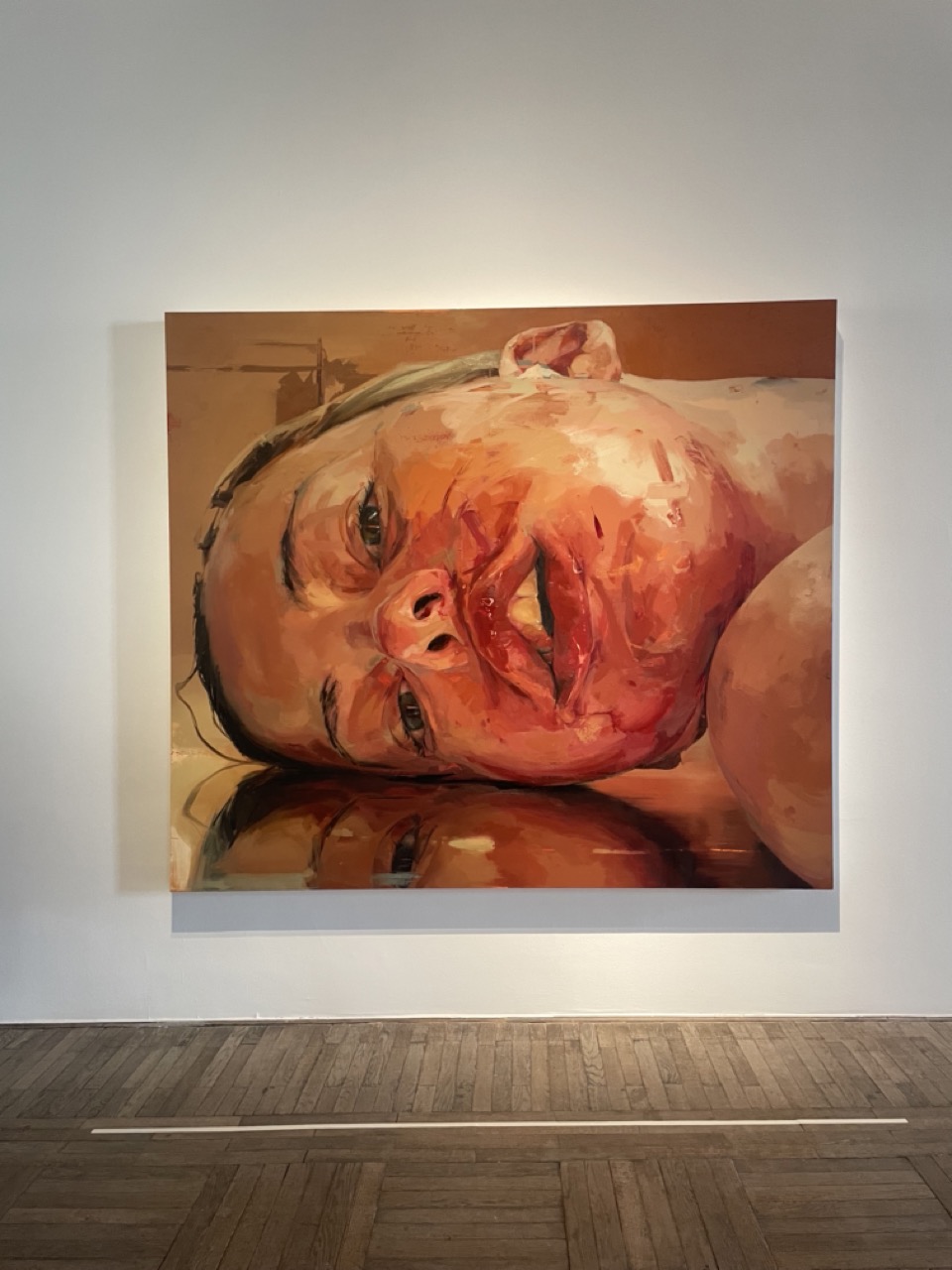
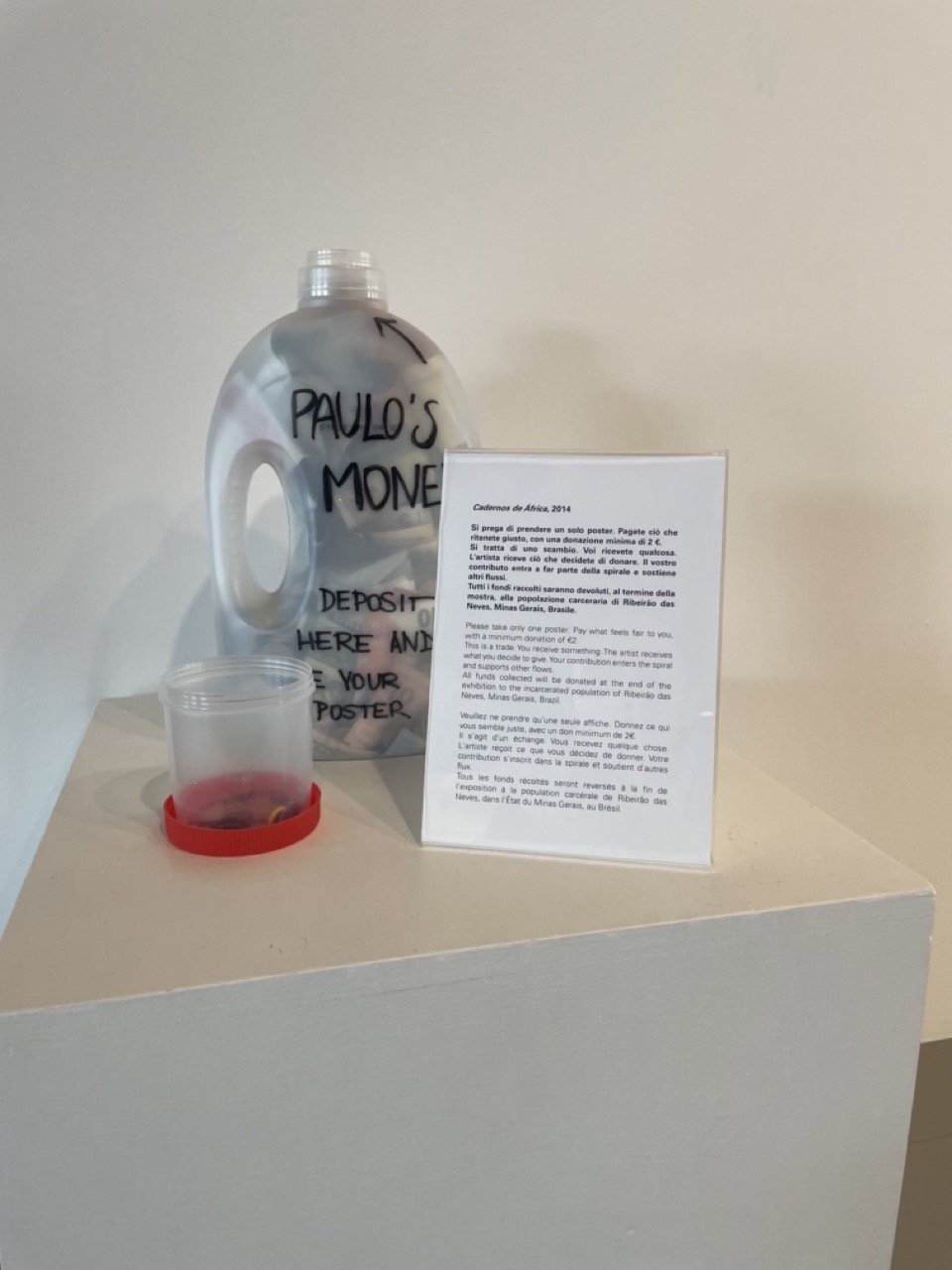
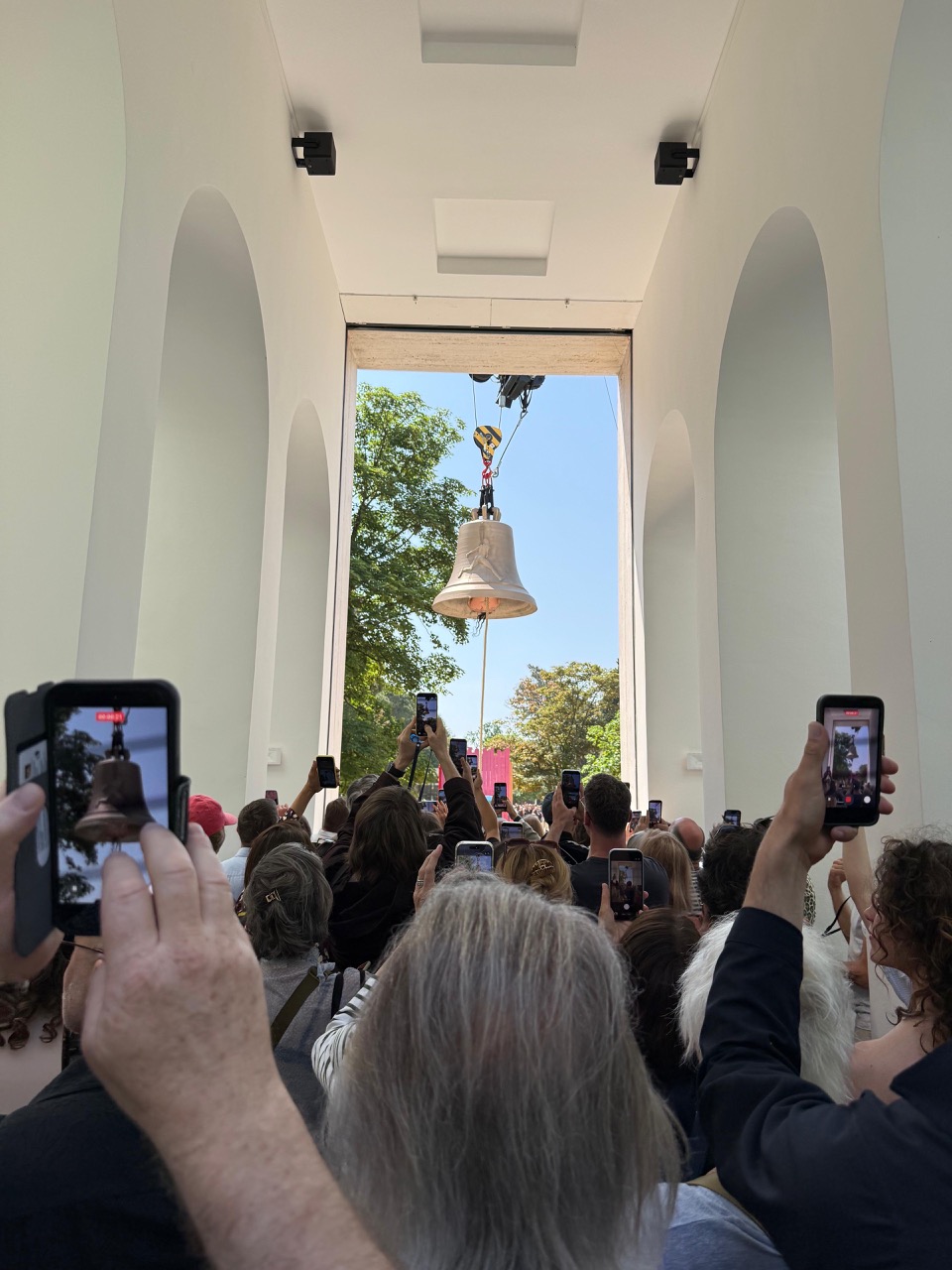
By the time you’re reading this, I trust you all have seen pictures of the most viral installations and works shown at the 61st edition of La Biennale di Venezia, the blockbusters basically: Florentina Holzinger hanging from a bell, Arthur Jafa x Richard Prince at the Fondazione Prada, Lorna Simpson and Paulo Nazareth at Punta della Dogana, Michael Hermitage at Palazzo Grassi, Hernan Bas and Jenny Saville at Ca’ Pesaro – and the list continues.

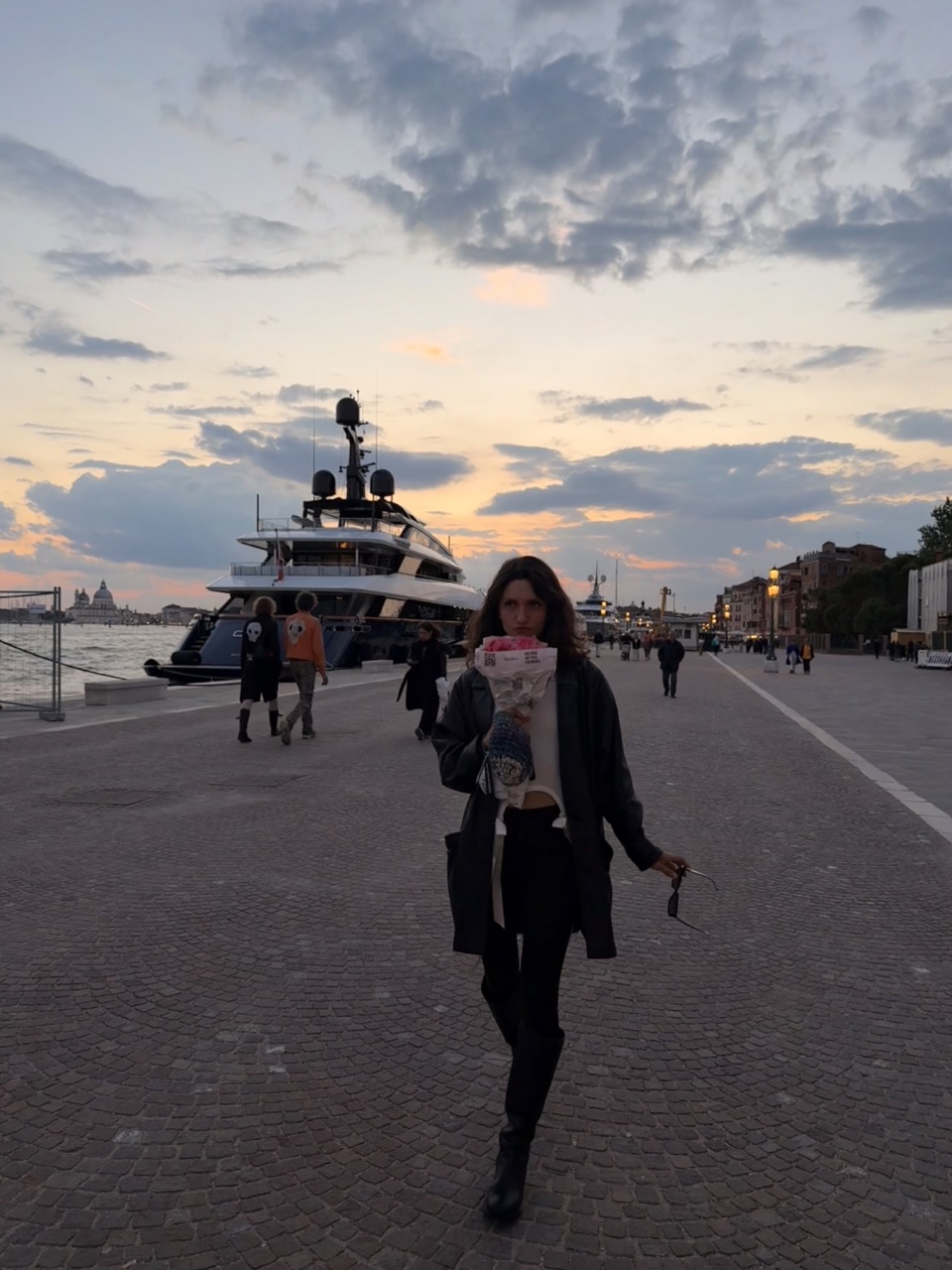
Good, because now the level of FOMO I felt before, during and after my 4 day trip to the biennale opening may be easier to understand. Admittedly, while this was not my first biennale, it sure was my first biennale opening. And I knew it was going to be different from other art weeks revolving around art fairs as main events: without priority on commercial aspects, the presentation focus is set to be different and the crowd too has a majorly institutional background. And while we’re already admitting things: I came utterly unprepared – something that usually doesn’t happen when I do these trips. People that think going to these art weeks is fun and games underestimate the preceding organizing of schedules and masterplanning, going through all the announcements, tips, and invitations in your mail inbox, on socials or from the people you meet in the time leading up. I only spent the entire day before my arrival researching exhibitions, events, who would be there and who had already left. As if I wanted to challenge myself to see how many events I could get into without having RSVP’d beforehand. As if being part of 2+ WhatsApp Venice Biennale groups would solve the problem. What can I say, I like living on the edge sometimes – and so I decided that ATP the best strategy for me would be to go with the flow. I mean, I also didn’t have much of a choice (lol). To quote a befriended curator I had dinner with in Venice: we live and we learn! Anyhow, I knew I could rely on taking a quick glance at my Instagram feed (that I myself built, brick by brick) and that it would tell me instantly what this year’s essentials were: pictures of people queuing in the rain, demonstrations in front of pavilions. And apparently, a picture from inside a water taxi was as important for your Venice dump as a video of the water skiing performers in the Austrian Pavilion’s “Seaworld Venice”. Okay, bet – I came back and have none of those. And now one could raise the question: Noelia, what the hell HAVE you been doing in Venice? Well, I’ve been maxing out my step count and standing in front of closed doors. And now, for my next trick, watch me romanticize this.

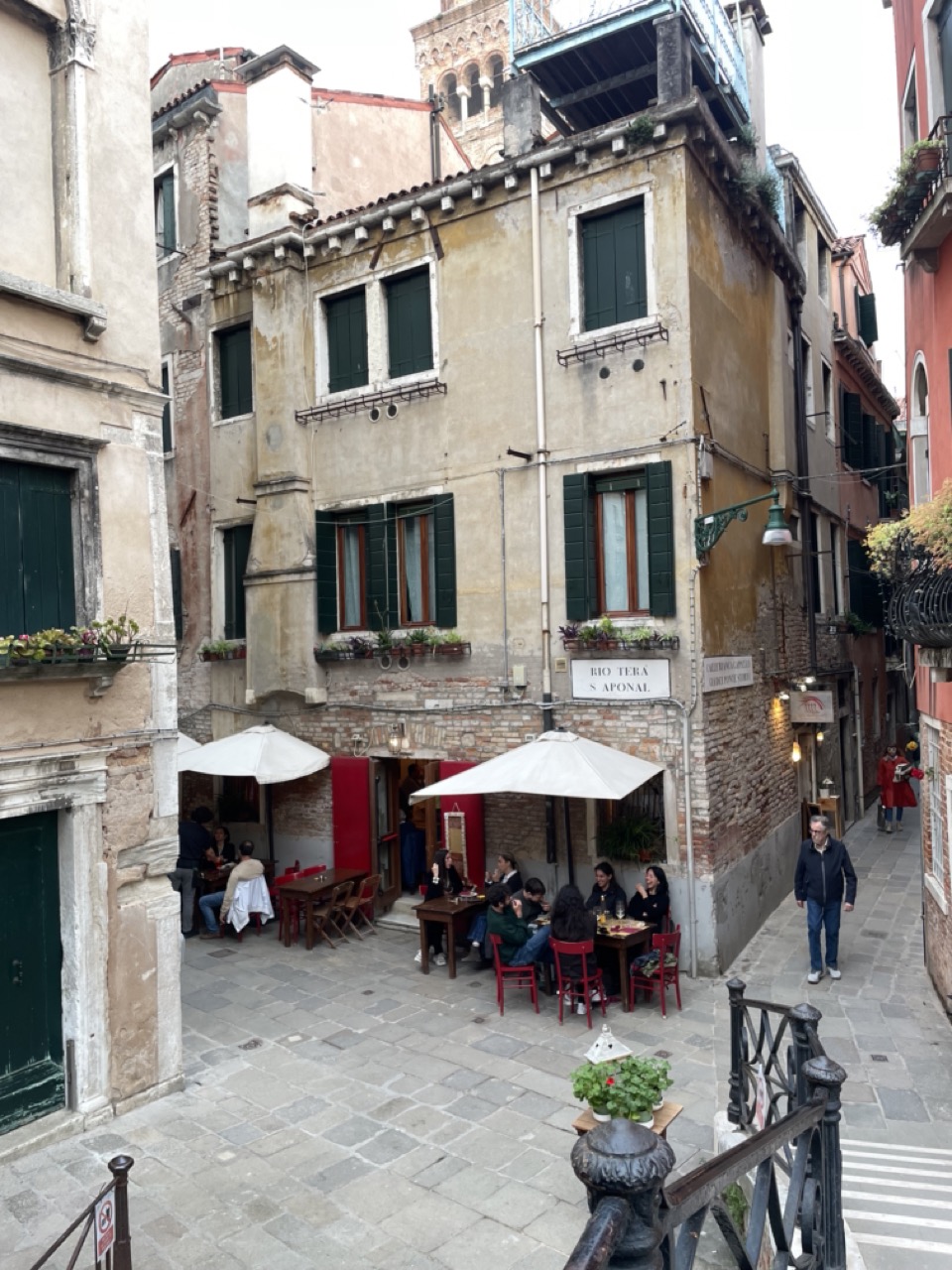
Let me paint this picture for you: it all started when I arrived in Venice mid-week and, not expecting anything, acclimatizing on my way to the Airbnb, taking in the smell of leather and stale seawater, I passed by no one other than one of my idols, Mrs. first name PATTI last name SMITH, sitting on the terrace of a little café serenely overlooking the canal. From that moment on, I knew this was going to be a magical trip. 5 minutes later, my phone battery died and the power bank I had just bought some days before betrayed me – splendid!

Okay, jokes aside now (not the Patti Smith fangirl part, more on that later) –

So, How Does The Venice Biennale Actually Work?

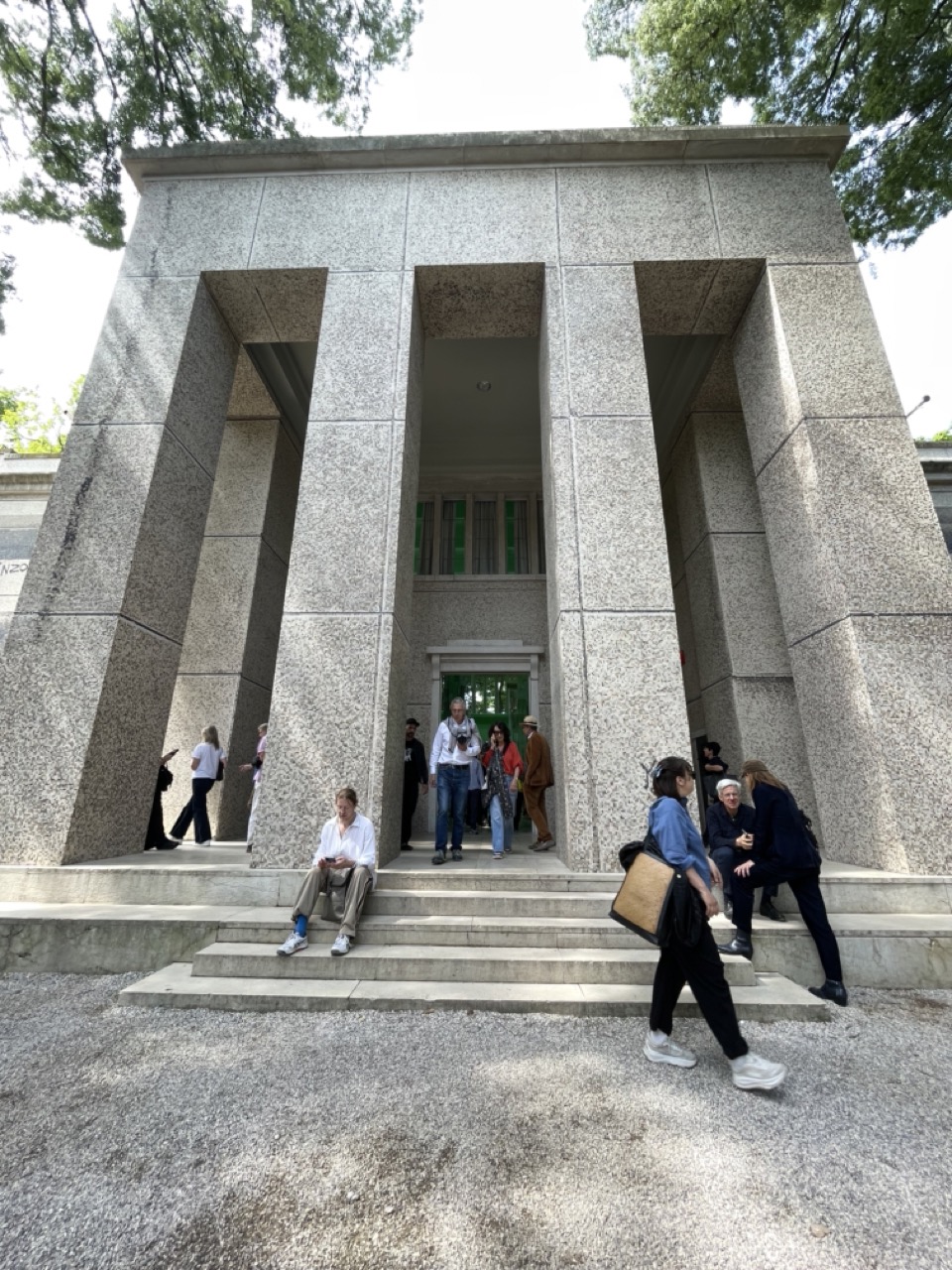
The Venice Biennale, right? How does that even work, where is it happening exactly, how is it structured? Well, it’s safe to say that the whole city of Venice becomes like a little parcours or labyrinth even, where you’ll randomly bump into exhibitions while walking around, or go on a treasure hunt trying to find the ones you specifically want to see. Which is why it can seem super overwhelming and confusing at first – but to break down the main structure simply: basically, many different countries have their own exhibition spaces – also referred to as national pavilions – where they showcase the work of their appointed artists representing the country during the biennale. And also competing for the Golden Lion Awards, one of the most prestigious awards to win in the arts. When it comes to the pavilions, there are two main sites in the city that concentratedly host many of them at once: the Giardini and the Arsenale. The Giardini – which literally means “gardens” in Italian – hosts some of the most opulent pavilion buildings, which were built by different nations specifically to host biennale exhibitions. The Arsenale, on the other hand, is a former shipyard with a much more industrial atmosphere, where many pavilions are installed like rooms lined up next to each other in huge halls. And then beyond that (as if that wasn’t enough), there are also many more national pavilions spread throughout the city in palazzos, churches, old buildings, and other spaces. Around 200 this year, as listed in the official Biennale Arte map. Another important thing to know is that each edition has one appointed curator who develops the main theme and perspective serving as a common thread for the biennale. This year’s curator was Koyo Kouoh, who tragically passed away one year before the opening. She was also responsible for curating the main exhibitions shown in both the Giardini and the Arsenale alongside all the national pavilions and gave the edition its theme “In Minor Keys”.

“This is an invitation to encounter these words in the immediate physical, meteorological, ambient, and karmic conditions in which they meet you. To shift to a slower gear and tune in to the frequencies of the minor keys. Because, though often lost in the anxious cacophony of the present chaos raging through the world, the music continues. The songs of those producing beauty in spite of tragedy, the tunes of the fugitives recovering from the ruins, the harmonies of those repairing wounds and worlds.”

“It {the minor key} summons moods, the blues, the call-and-response, the morna, the second line, the lament, the allegory, the whisper.”

“The minor keys refuse orchestral bombast and goose-step military marches and come alive in the quiet tones, the lower frequencies, the hums, the consolations of poetry, all portals of improvisation to the elsewhere and the otherwise. The minor keys ask for listening that calls on the emotions and sustains them in return.”

“In the minor keys, sound and sensation are grounding, they hold the cadences, melodies, and silences of resonant worlds that gather and create together a polyphonous assembly of art, convening and communing in convivial collectivity, beaming across the void of alienation and the crackle of conflict.”

– Koyo Kouoh, from the official introduction to “In Minor Keys”
“In Minor Keys” – Listening Closely In A World Of Noise
When talking to other people during and after the opening, about how they liked the main exhibitions of this edition, many compared it to previous ones – which is fair and logical. My last edition was so long ago that I had no direct comparison anymore. The general conclusion was that curatorial stringency was missing this time, that there was no through-line narration or coherent walk-through for the visitor. One argument for this was the death of the curator in chief, who had only been able to work on the project for a short while before her team had to continue her legacy after her tragic passing one year before the opening. I didn’t resonate with that opinion and after disagreeing politely but without having much more to contradict it with yet but my feeling and how it landed with me personally, I gave myself permission to revisit pictures taken, wall texts photographed, articles read as well as the introduction written by the curator Koyo Kouoh herself. Starting off strong with the latter, Kouoh’s curatorial text reassured me: a perceived ‘incoherence’ was not to be understood as a lack of something, but rather used as strategy to convey meaning: “The intended effect scrambles cohesion and dissonance in the manner of a free-jazz ensemble”.

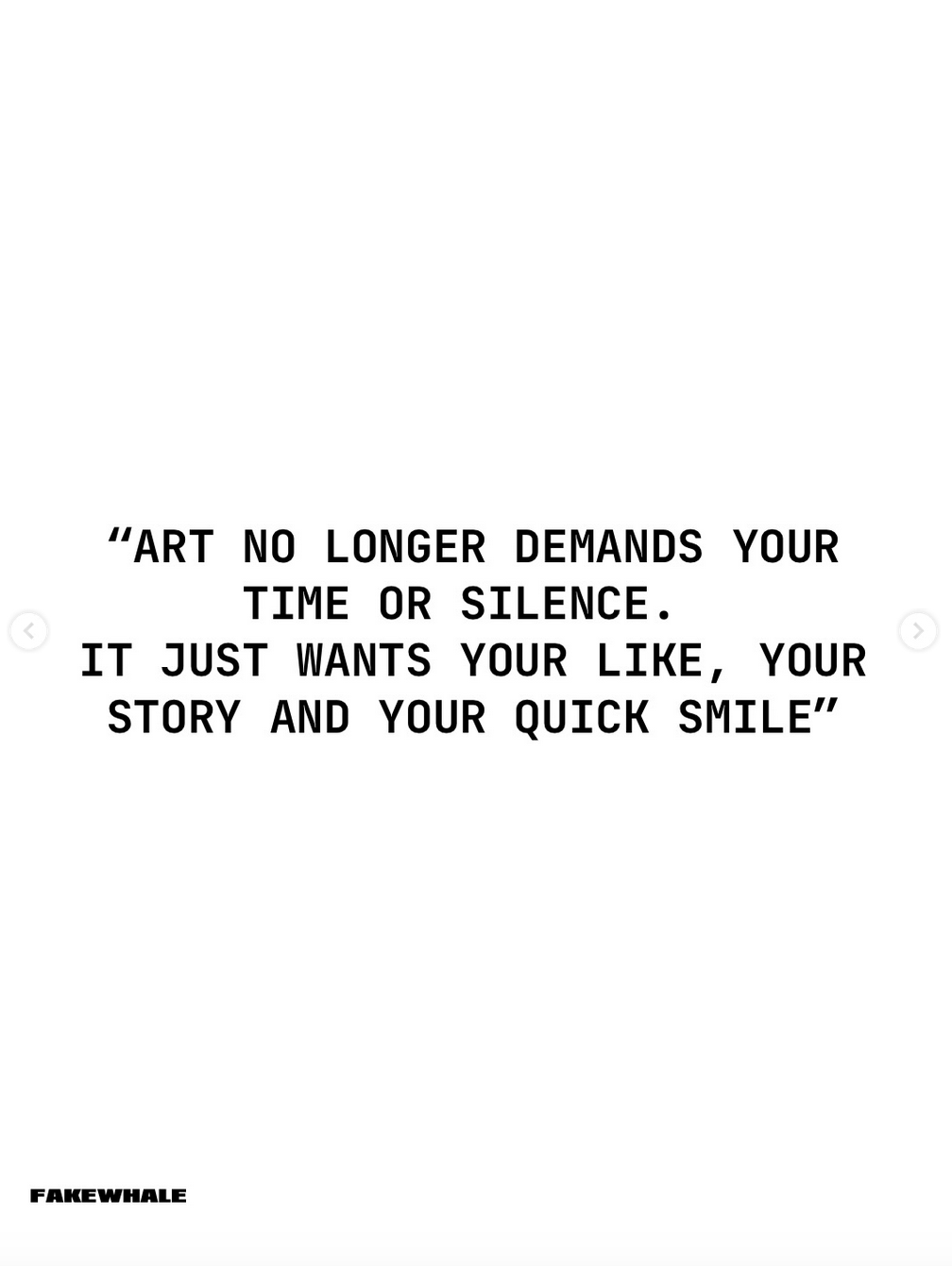
I slowly gathered my thoughts and grasped my feelings: to understand this biennale’s curatorial concept and main exhibitions, you have to be able to take your time and willing to listen closely – to go close enough to actually hear the little whispers that are unequivocally there but easy to miss in the buzz and fuzz of it all. You have to bring the patience to kindly ask for a repeat, in case you didn’t get it the first time. If you came to feel blown away, instantly entertained and gratified by instagrammable, in-your-face art, you probably had a better time visiting the Austrian Pavilion and taking a literal piss on the current (art) world machinery. Or one of the classic blockbuster exhibitions around the city, of which there were plenty: Anish Kapoor, Marina Abramovic, Georg Baselitz, … (in addition to the ones mentioned above). And I’ll give you that: if you came for the opening week, you surely also came to network and there was definitely a lot going on, making it even more difficult to pause, take your time and take in what was in front of you. Especially if you’re someone accustomed to art history as primarily propagated, taught and consumed in the west, and consequently to its adjacent codes and references – because that means you’d need to invest extra time to get into the history of some of the mediums, materials and techniques on display, that may not have crossed your path yet, or not in this context. And this is not to say that figurative painting is something inherently western, nor that it doesn’t ask you to stay with it longer than a first glance either. I guess what I’m trying to say is that it’s easy to brush something off as disorienting or not poignant enough when you don’t understand it immediately, or when its meaning doesn’t jump at you with the clarity of a prescription manual or the loudness of a giant ringing bell (iykyk). Accessibility is important and art should reach as many people as possible – it’s great to take barriers away – but we may also want to check our own attention span from time to time, especially towards art that is not “engineered to generate immediate engagement, provoke a physical response, and create the perfect moment for online circulation”, to quote an article on Fakewhale.

The Main Exhibition: Stories In Materials

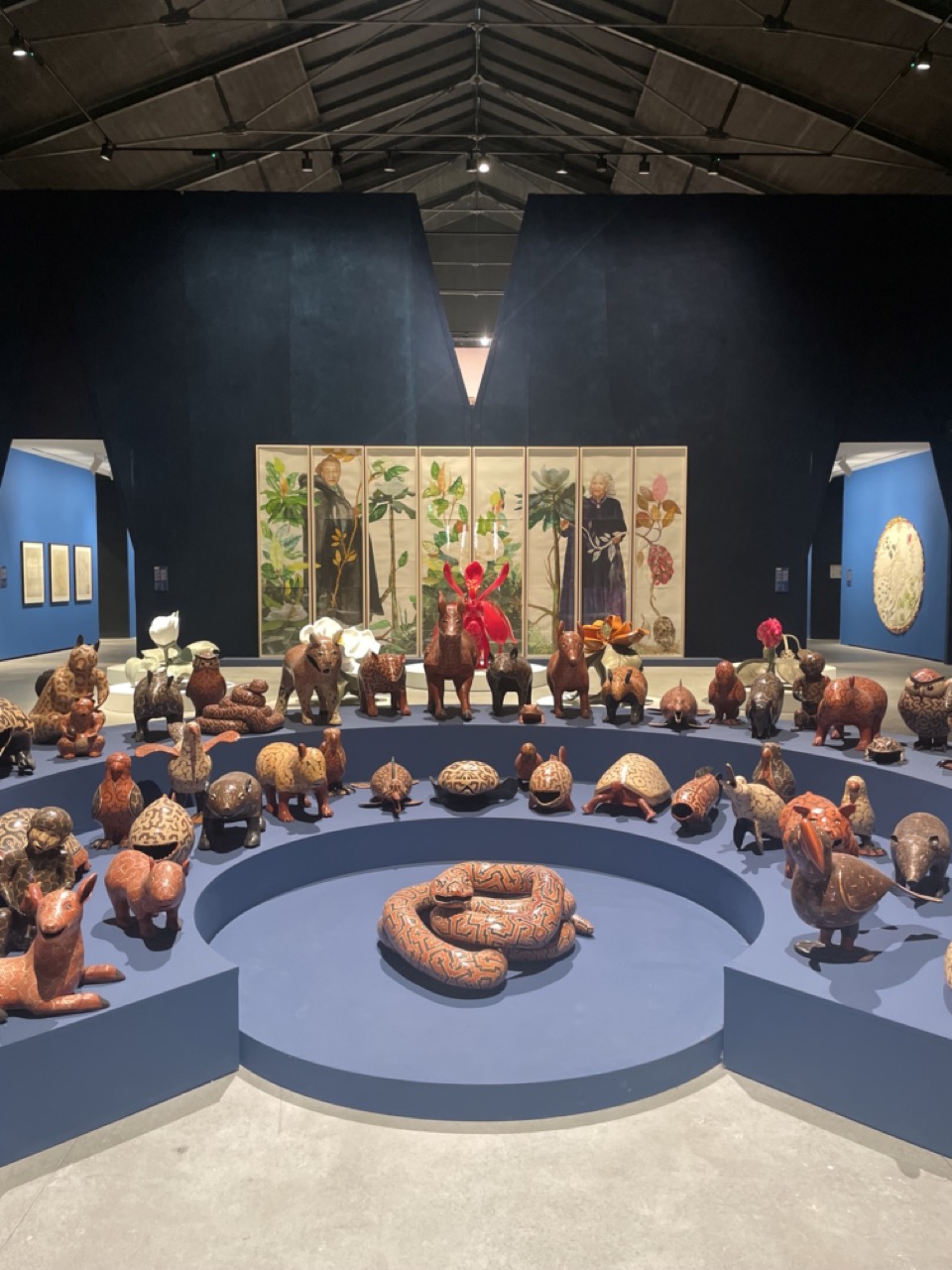
When stepping into the central pavilion (main exhibition) in the Giardini, a group of ceramic animals greet visitors at the entrance. Forming a half-circle as though on a tribune, looking at the visitors as though expectant. The interaction – in which the viewers for once feel they are not the only ones looking, that the art is looking right back at them, that they’re being monitored even – is not random: the indigenous group from the Peruvian Amazon that the artist Célia Vásquez Yui belongs to, the Shipibo, believe that art has the possibility of reacting to the observing subject. It relates, in a way, to the hope that art can actually be transformative and do something to and with us. The materials used for this installation, “The Council of the Mother Spirits of the Animals”, were sourced throughout the Shipibo’s ancestral territory.

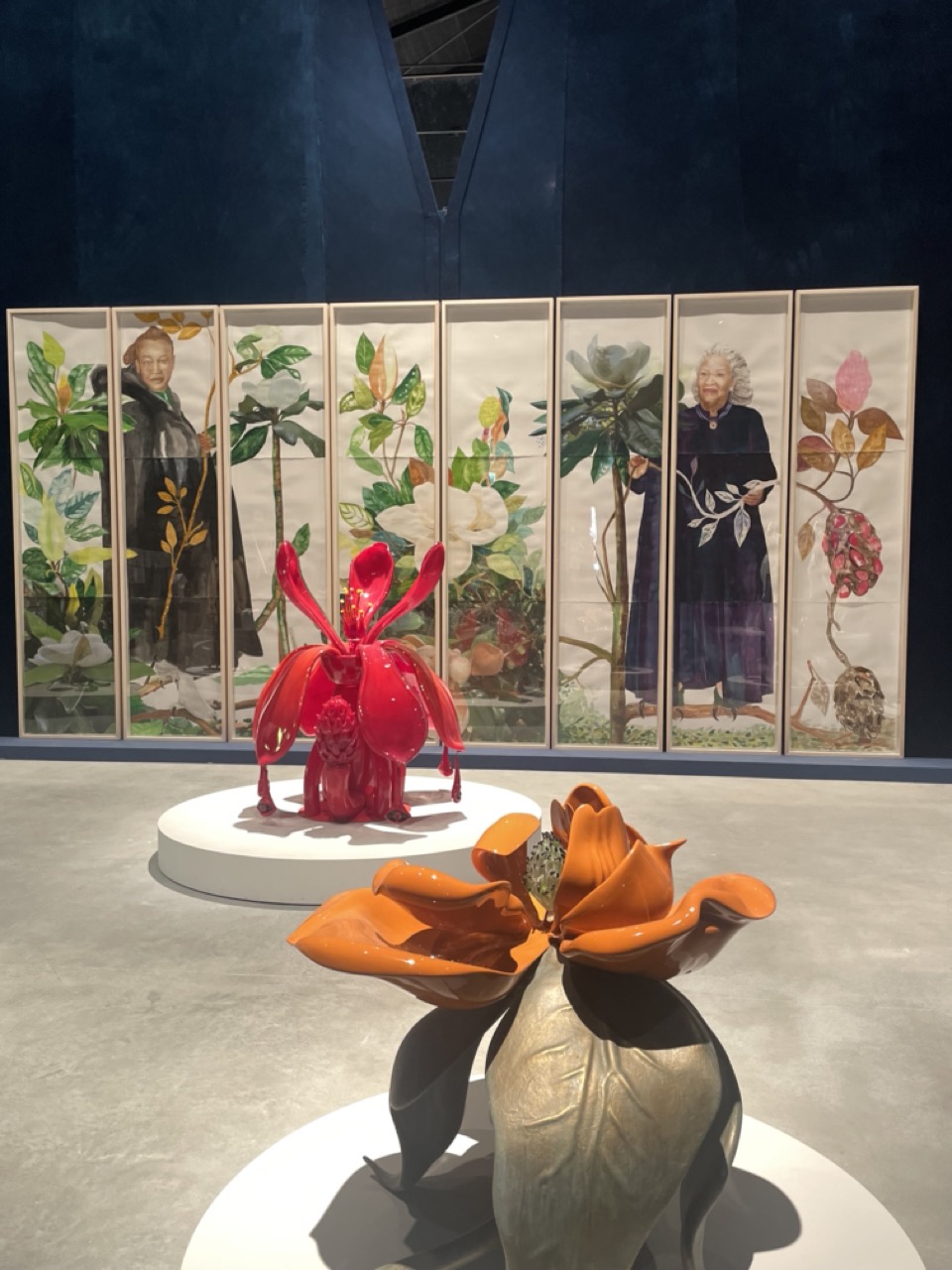
Behind this group, an installation composed of a large 8-panel work on paper and several magnolia sculptures by Maria Magdalena Campos-Pons literally sets the tone for the exhibition to follow, accompanied by a soundscape by Kamaal Malak. The work on paper hung on the back wall shows larger-than-life portraits of the writer Toni Morrison and the biennale curator Koyo Kouoh herself, surrounded by green plants, leaves and flowers. Together with the magnolia sculptures in front of it, they represent the garden that both portraitees dedicated their lives to fostering: a fertile ground for voices from the global south – as represented by the endemically southern magnolia – to grow, embraced by sounds vibrating in minor frequencies around them.

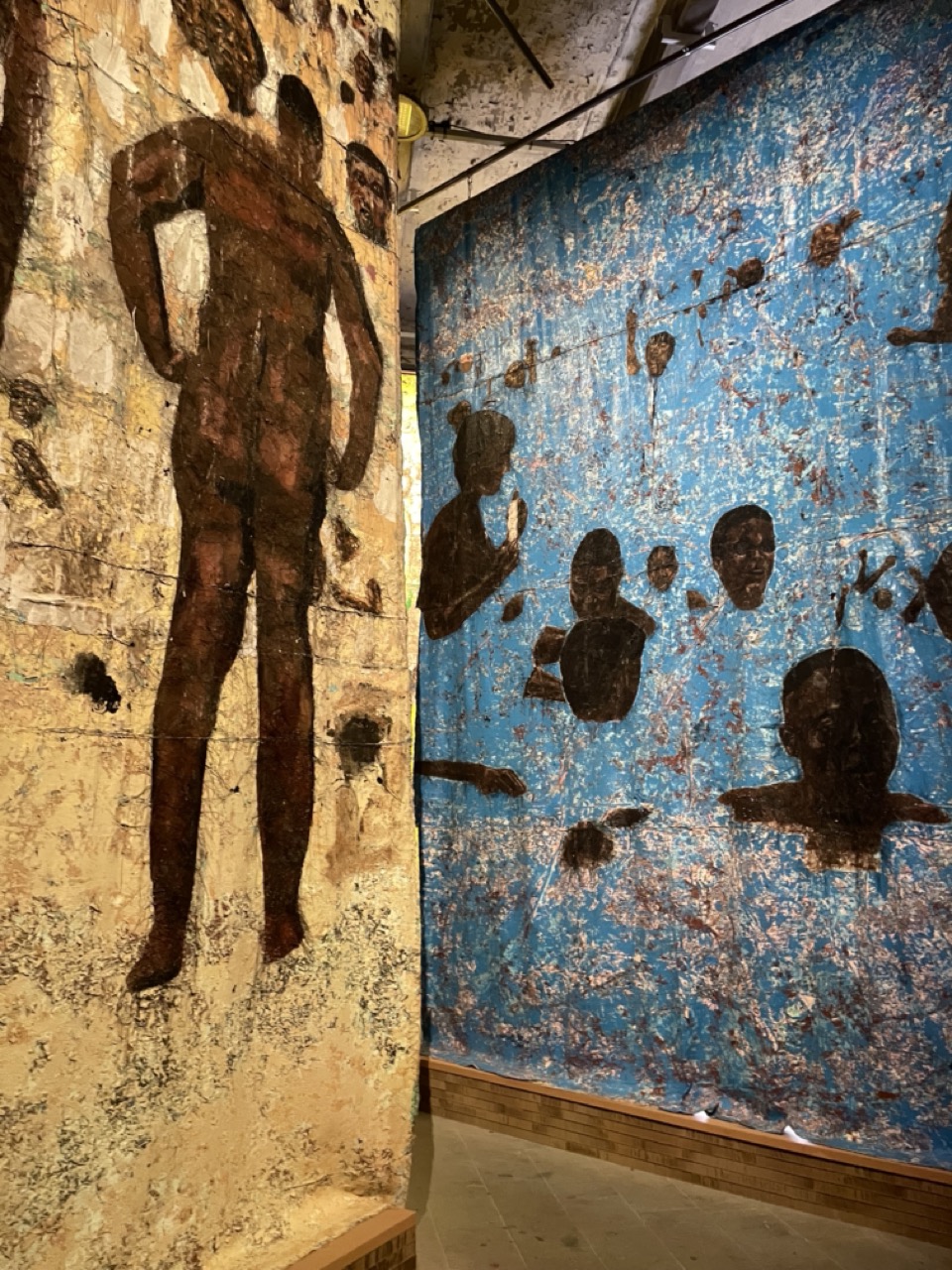
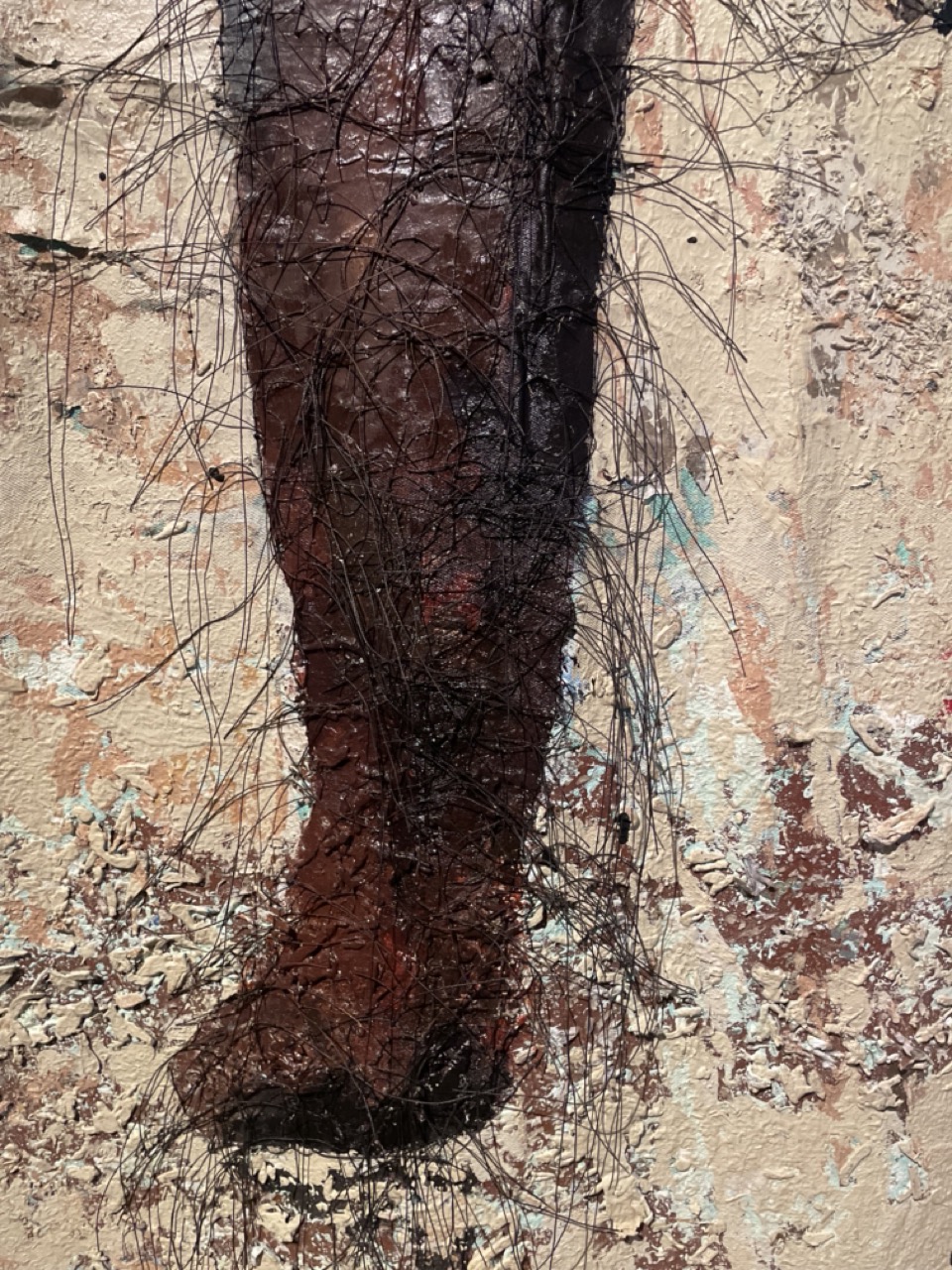
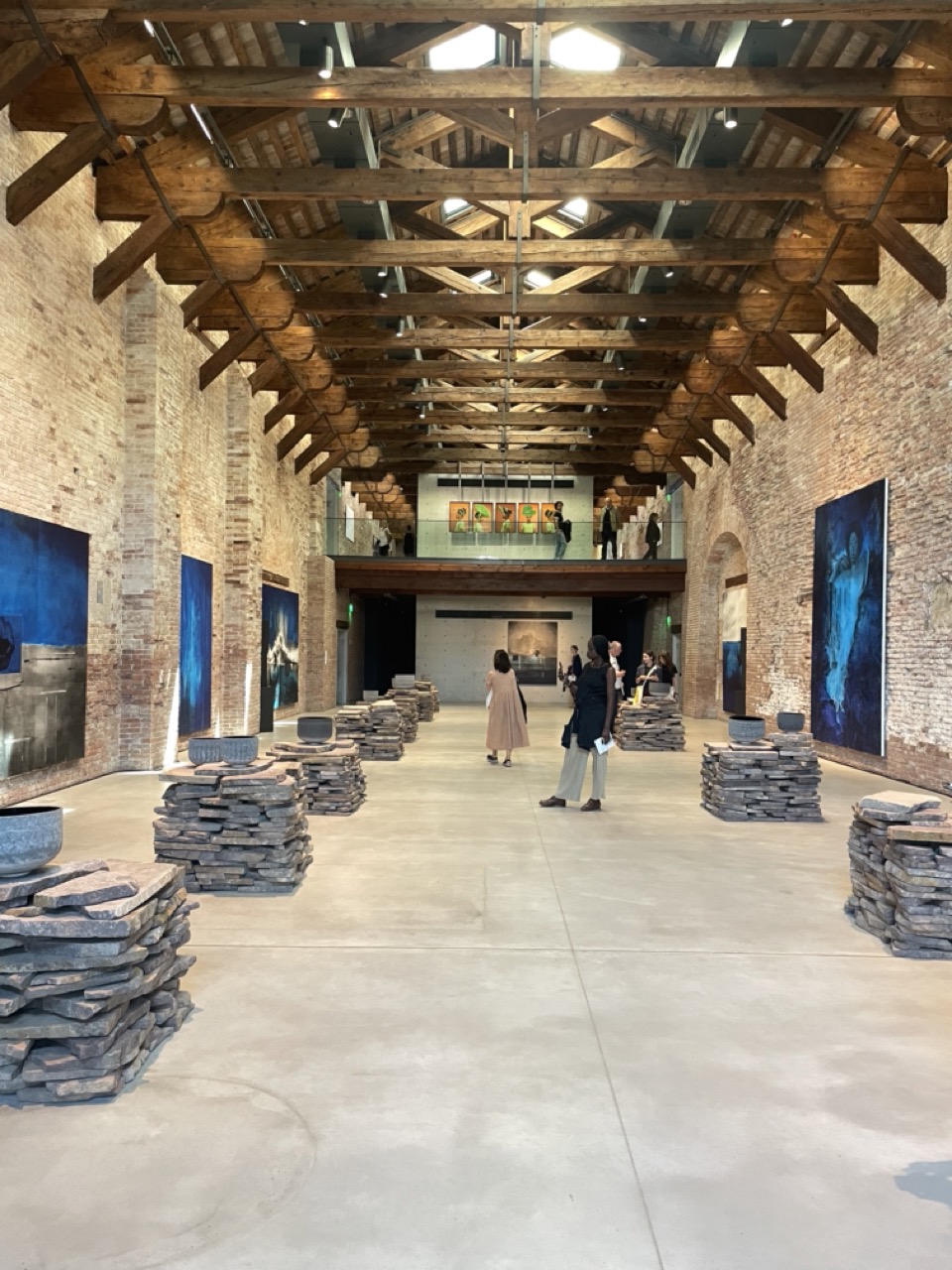
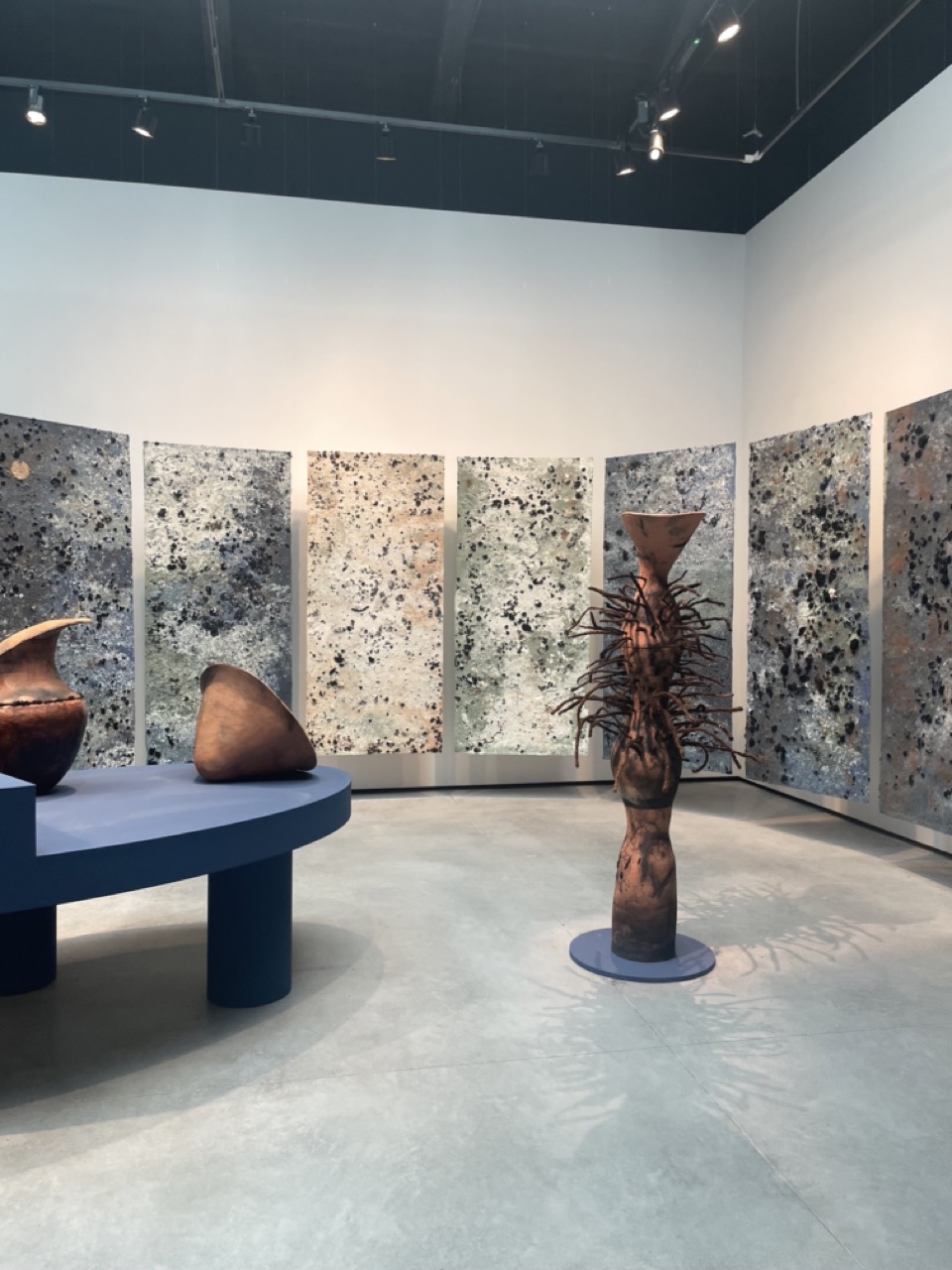
In another room, the installation by Adebunmi Gbadebo generates meaning from the very materials and techniques used to create it, which serve as memorabilia, relics and vessels for transmutation at once. The sculptures are made of red soil taken from burial plots at the True Blue Plantation in South Carolina, where her ancestors were forced to work. Her technique of mixing clay is reminiscent of that of the “Old Edgefield Potters”, a group of enslaved African-American ceramists from the same area, known for their craftsmanship. Gbadebo works rice and human hair into her sculptures as a means of dedicating this act of restoration through art, to her ancestors.

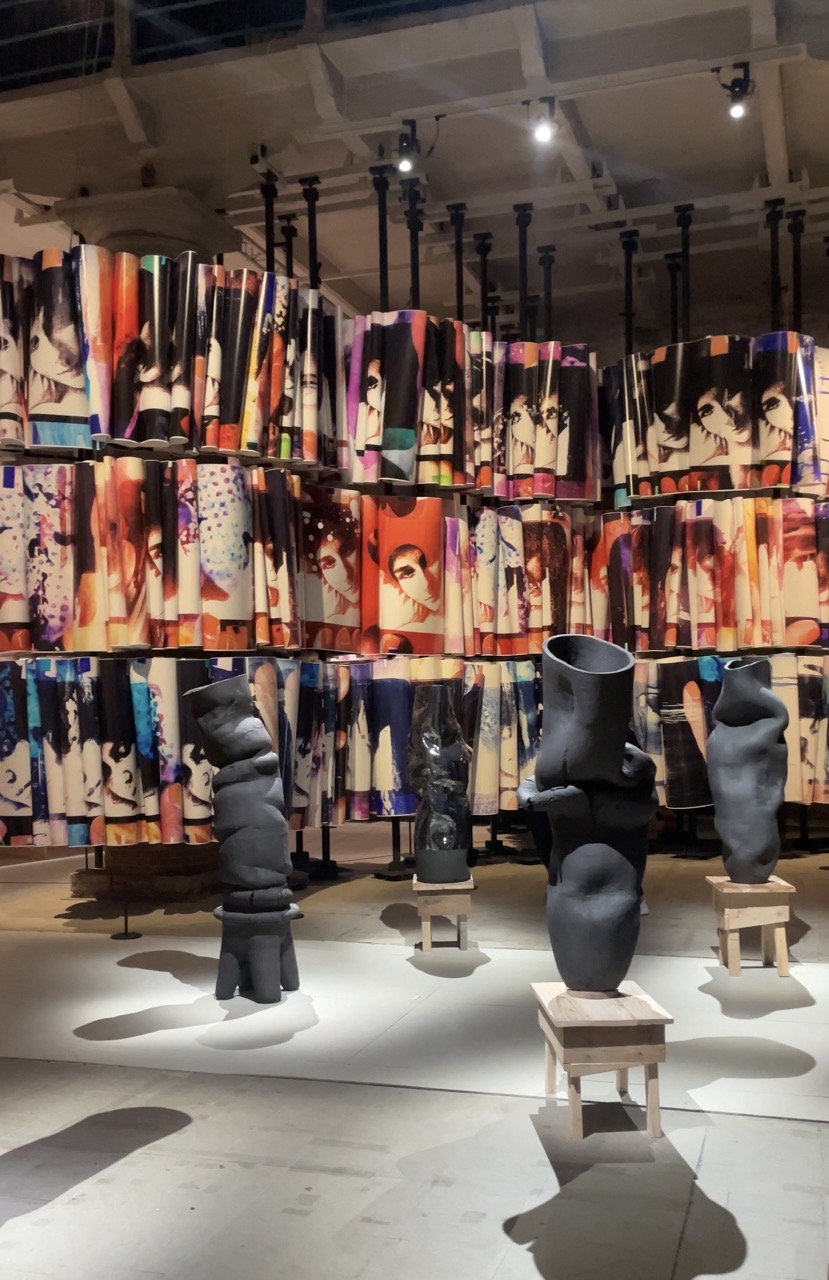
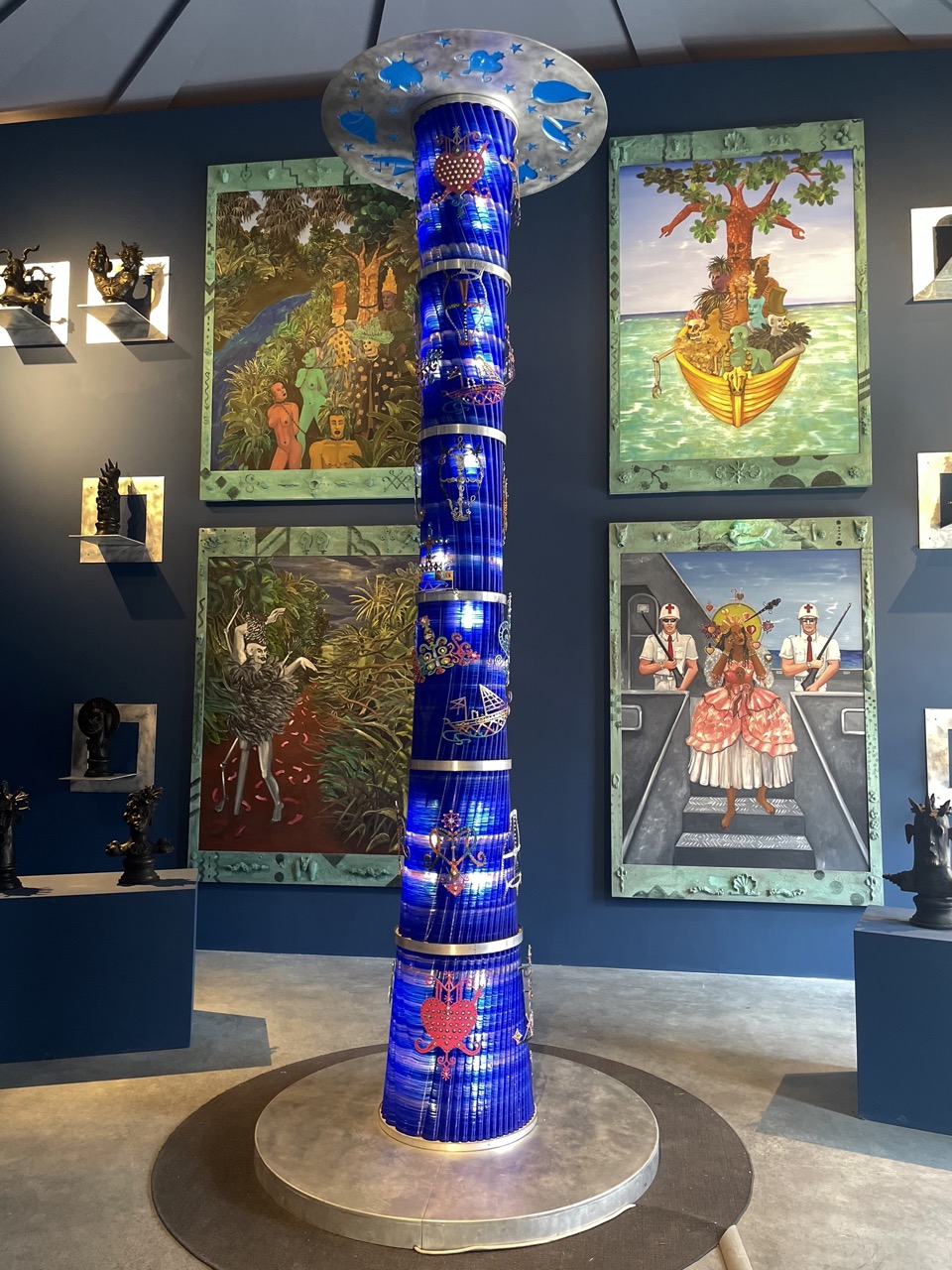
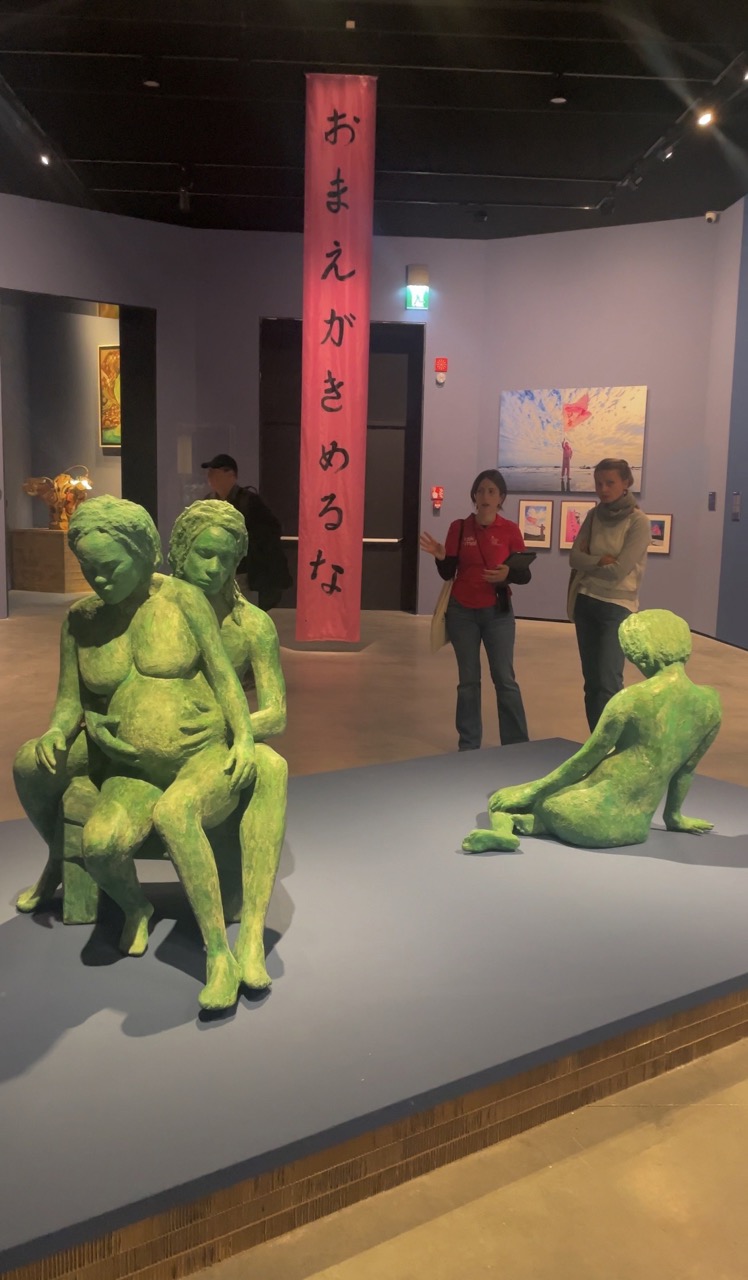
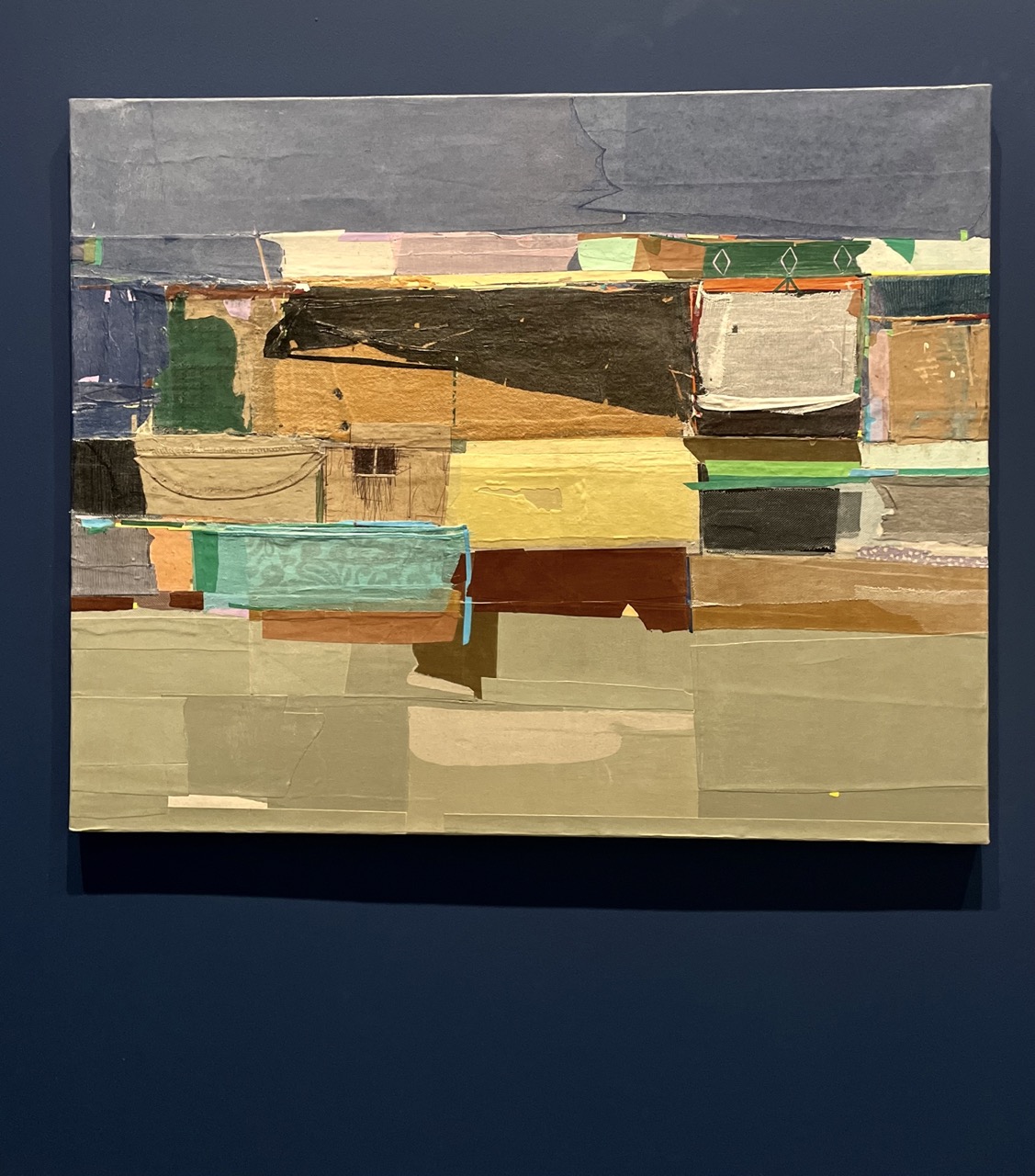
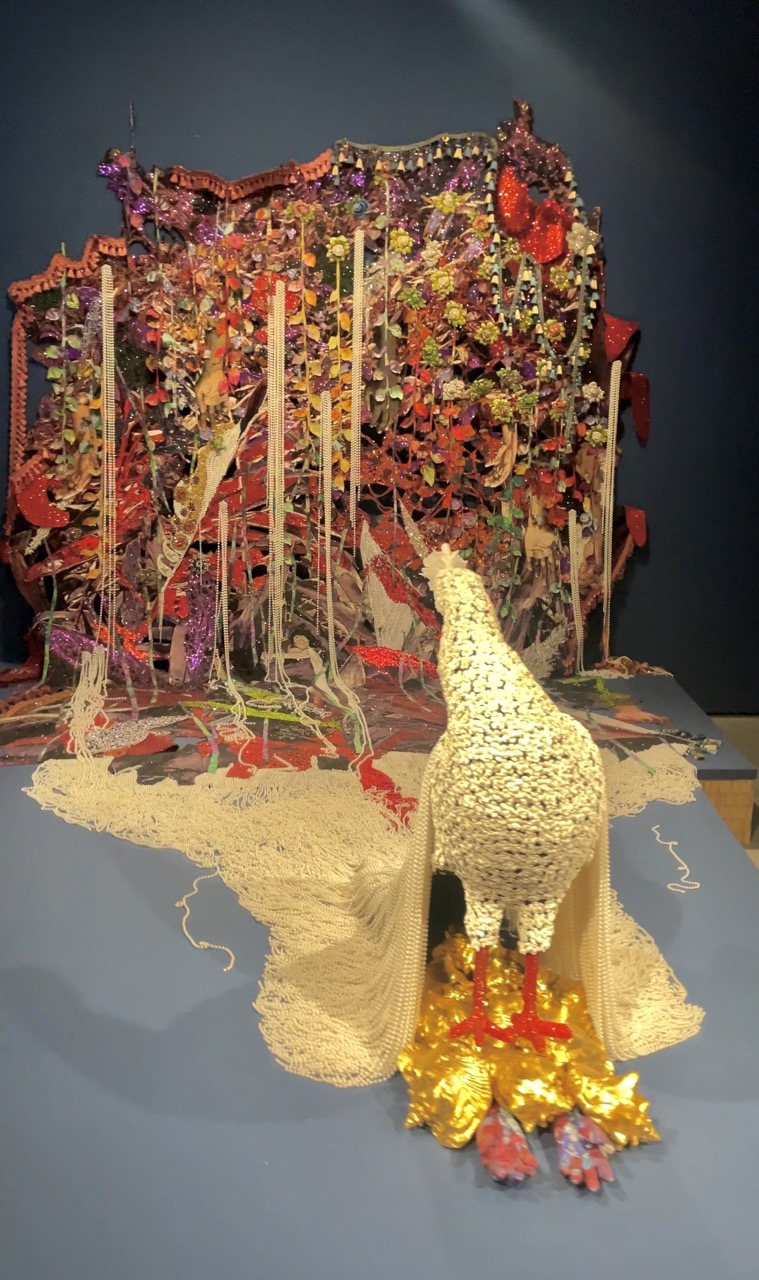
The materials used throughout this exhibition are manifold and most of them tell their own story. Another example are the colorful collages by Mohammed Joha, produced by overlaying discarded materials used in the everyday fight for survival of people living in Gaza. The use of these materials – otherwise deemed worthless – carries significant symbolic weight as a sign of the resilience of a people and the force of human creativity. Producing art and beauty out of materials that surround artists as a direct consequence or indirect side effect of the political circumstances they live in, and hence (sometimes literally) weaving those conditions into their message, is visible across several positions in this exhibition. Other examples are the figurative sculptures by Buhlebezwe Siwani, depicting the black female body, oftentimes in a familial context, using green-coloured soap of a brand that is a staple in South African lower-income households, at the same time addressing detrimental racial prejudices of ‘impurity’. The artist Ebony G. Patterson, on the other hand, produces flamboyant sculptures and wall objects in tropical colour palettes out of the “detritus of everyday consumerism and of the manufacturing excess that is offloaded and circulates on economies of the global south”.

It becomes apparent that one of the narrative’s nexus, one element holding all the independent instruments of this jazz ensemble together, are the materials. Working as symbols that don’t ask to be decoded, they reward your curiosity with not only the context of the artist but the history and tales of whole peoples and lands, treasured behind what on a surface level might appear simple. If we want to listen to the voices that have long been drowned out, that are constantly overpowered, we must go that extra mile, make space for them, even bring the megaphone if need be. We can’t possibly ask them to compete with the noise. And if we dare to come closer and actually listen, entire worlds may open up – plural. Or as Kouoh put it: “the elsewhere and the otherwise”. And is humanity not always on the lookout for novelty? For new perspectives and new ways of looking at things? While these traditions have existed long before western art history decided to pay attention, they are still new to many – especially to those happily distracted by noise. Or to those afraid of what they’ll hear when they actually do listen.

Kouoh’s intention was to bring on stage the voices “of the fugitives recovering from the ruins, the harmonies of those repairing wounds and worlds” – and many were afraid to listen, some even actively covered their ears. As a Frieze article questioned when reviewing the national pavilions: “who’s afraid of meaning?”, nudging at the pavilions trying to “shy away from the politics of our moment”. The answer is: visitors, pavilions and nations alike – you could encounter this fear manifested all around.
National Pavilions, Between Courage And Compliance

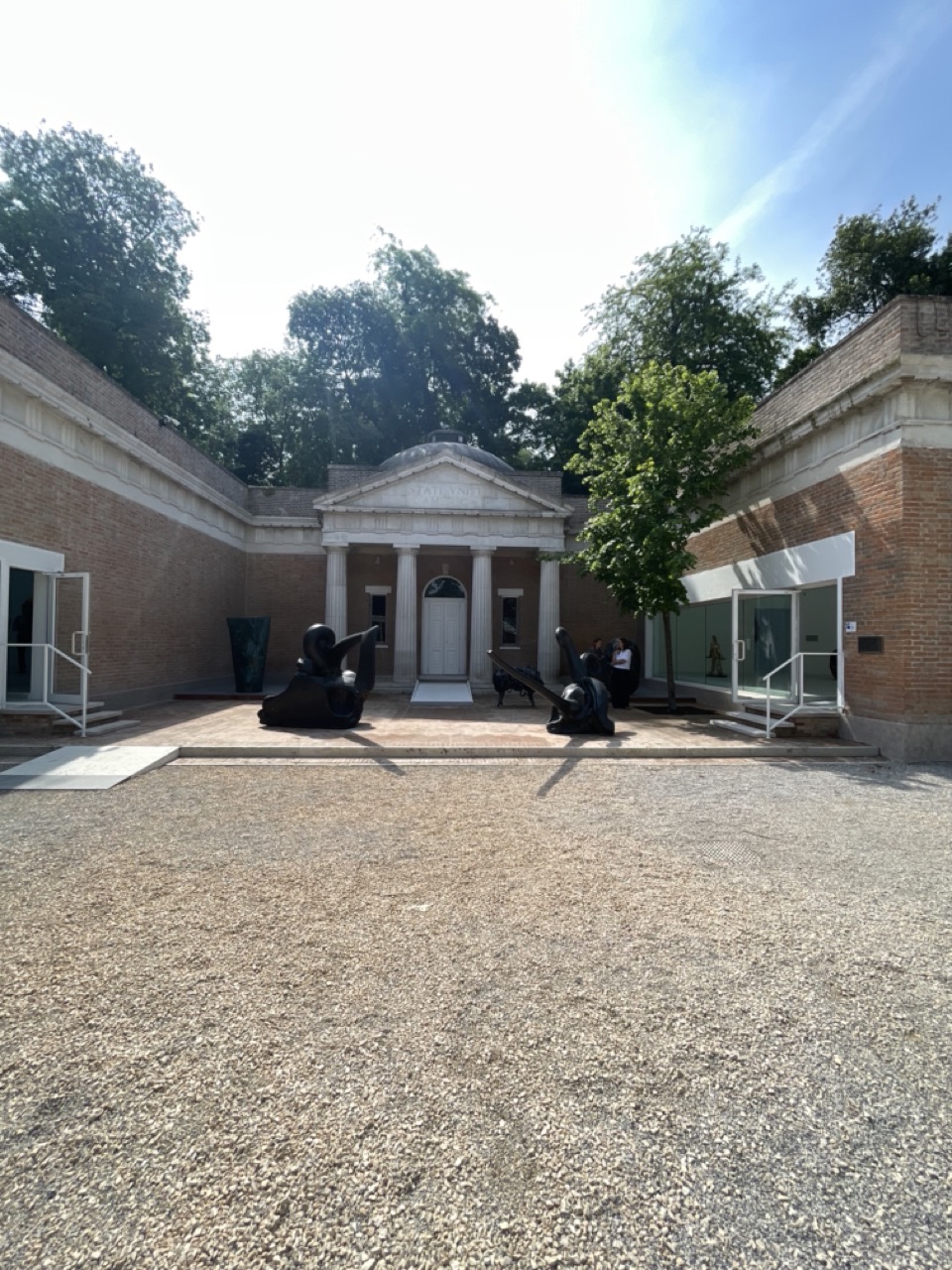
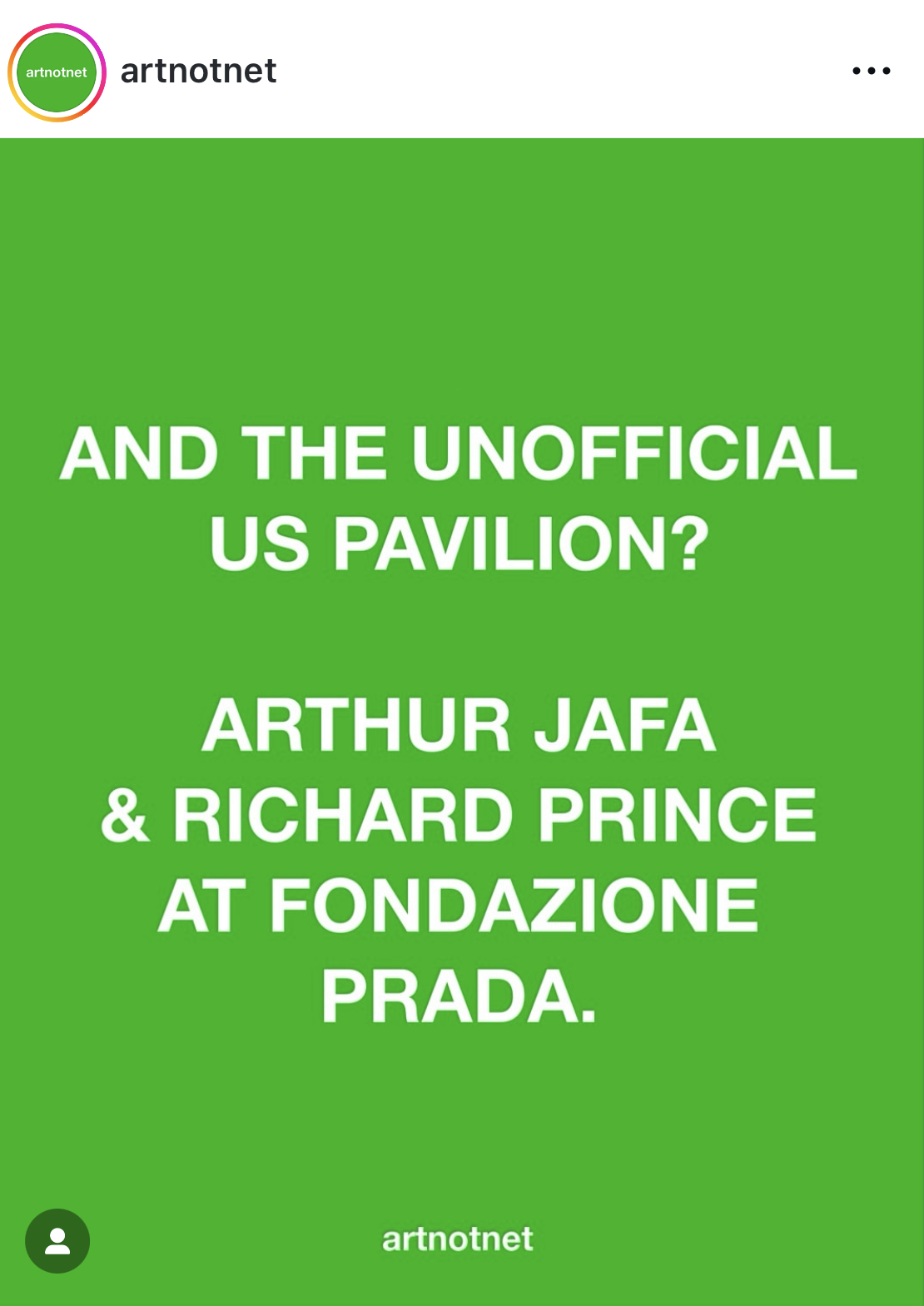
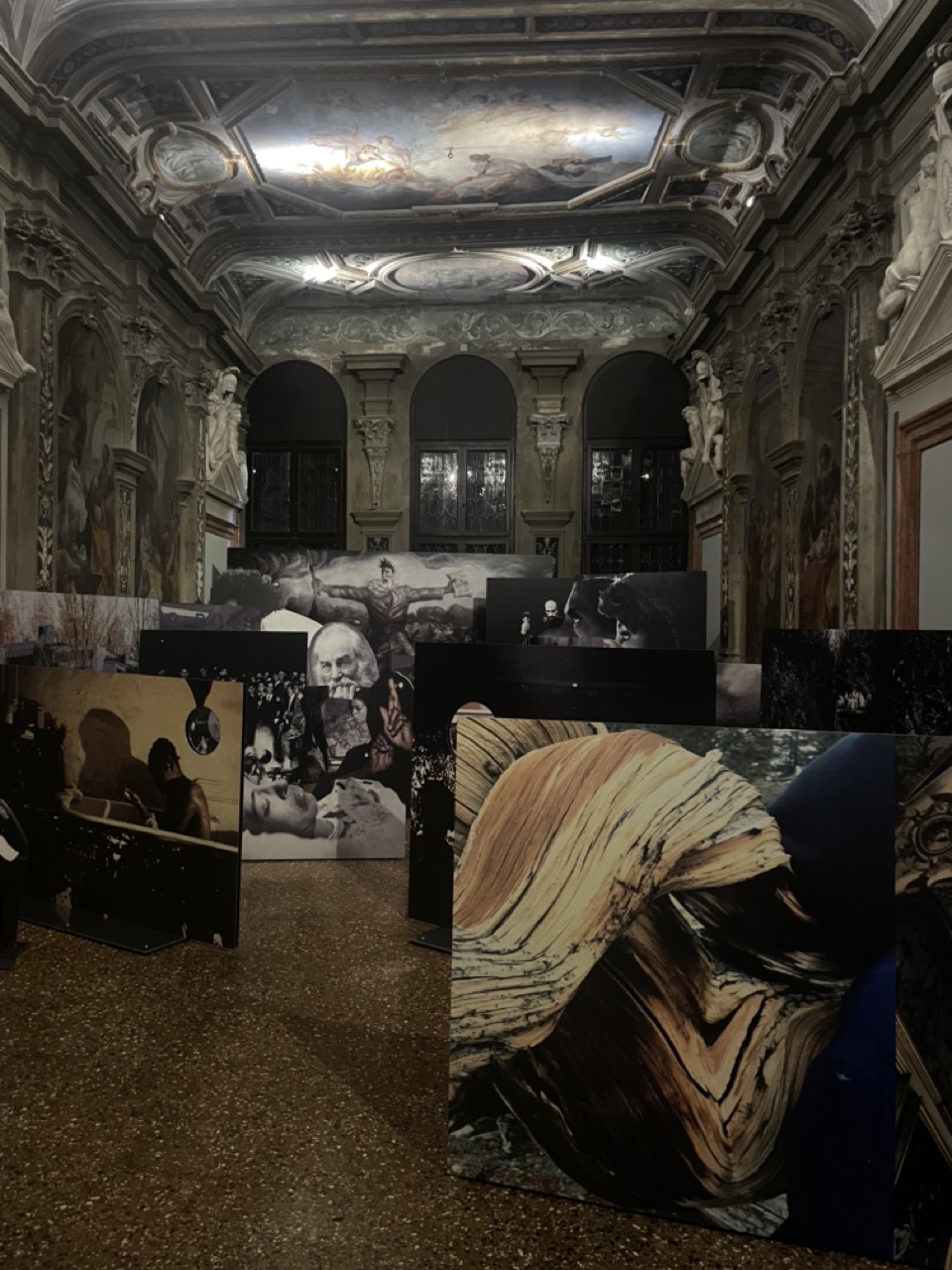
The US Pavilion may be the most blatant example: Alma Allen’s abstract bronze sculpture exhibition was devoid of meaning and of people. To the surprise of few, since the current Trump administration had made clear it would be represented by an artist complying with its anti-D.E.I. (diversity, equity and inclusion) rules. Reviews like “art from the land of the bland” by Hyperallergic or “as insubstantial as air” from the New York Times (alluding to the presentation’s title “Call Me the Breeze”) were the consequence. Artnotnet even went as far as to crown the duo show “Helter Skelter” by Arthur Jafa and Richard Prince at the Fondazione Prada the unofficial US Pavilion – which I think was pretty spot on. Works by both artists across a range of mediums are presented next to each other over the numerous rooms of the building and are such a good match that, in one instance, I even caught myself wondering which work was by whom. Both artists question American identity through the appropriation or re-usage of pop- and sub-cultural imagery in new, meaning-producing contexts. While Jafa’s focus is more on African American identity, Prince challenges white masculinity.
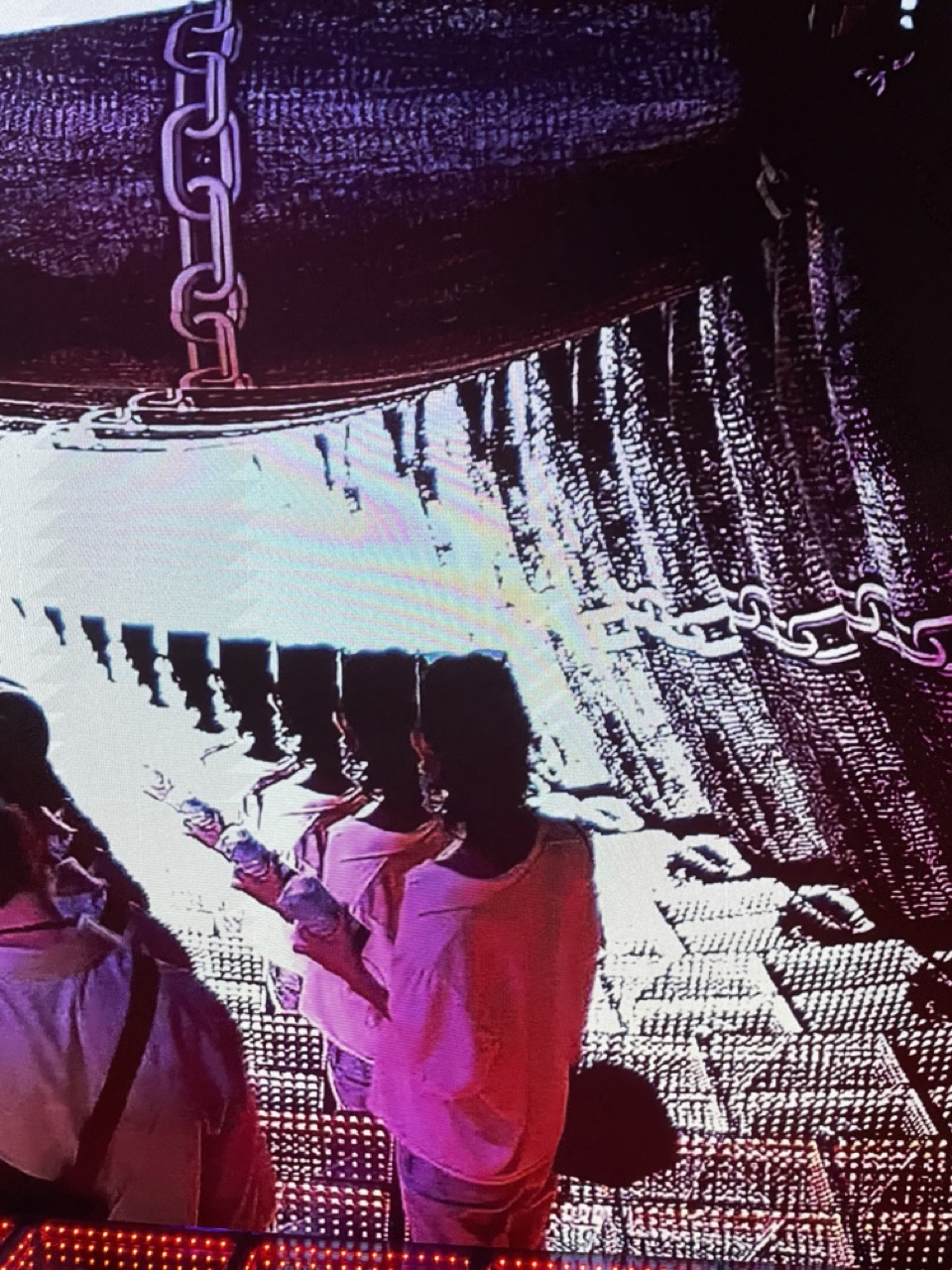
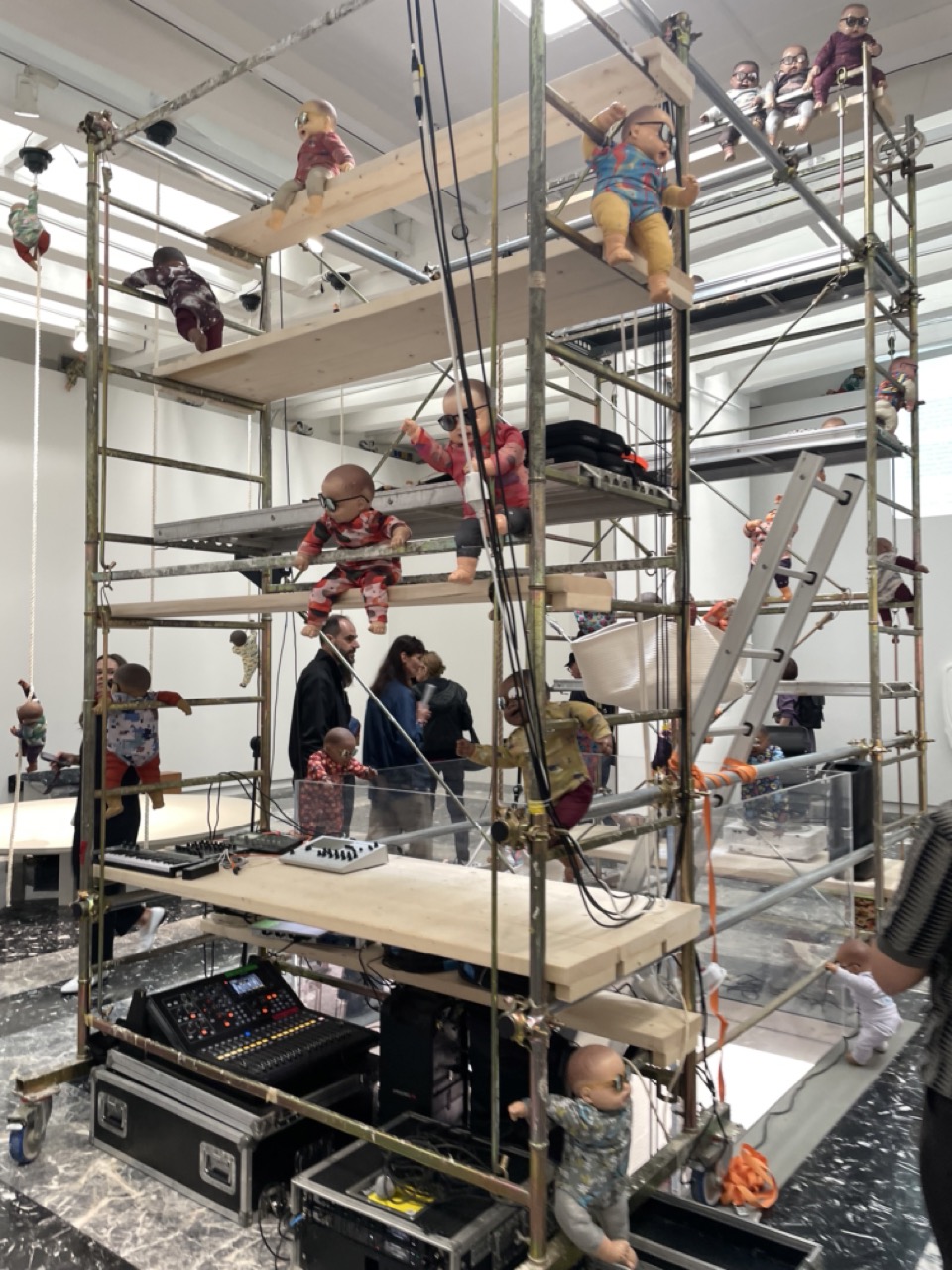
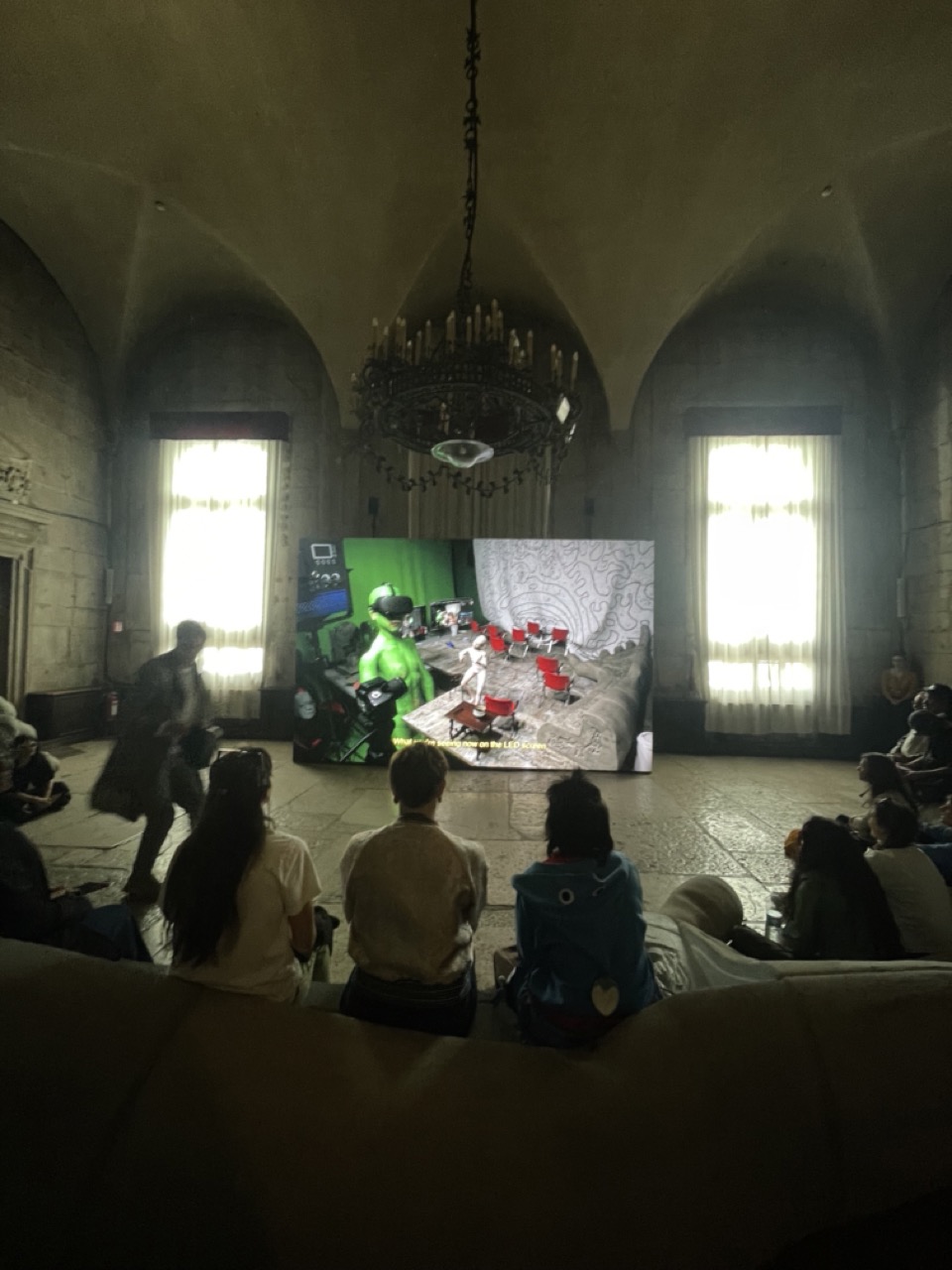
Where there’s fear, the courageous stand out all the more. And there were national pavilions in the Giardini and Arsenale with strong curatorial concepts and works too. Besides the obviously – whether you like it or not – well-working pavilions like Florentina Holzinger’s extreme performance in the Austrian Pavilion (reminiscent of Viennese actionism in the tradition of Hermann Nitsch) mirroring back to us the current ‘shitty’ state of the world we are all responsible for, through active participation; and other in-your-face presentations involving fecal matter like “La Merde” by Aline Bouvy in the Luxembourg Pavilion (an audio-visual installation about shame as a social construct with women as targeted subjects); there were other pavilions that were similarly flashy, but with fewer excretions involved. The Greek Pavilion by Andreas Angelidakis invited reflection on the rise of nationalist populism all the way up to fascism through an immersive experience titled “Escape Room”, questioning the problematic origin story of the pavilion buildings and how they were used to uphold and spread political agendas, drawing a parallel between new technology and the shadows in Plato’s cave, and showing how these are today’s tools for distributing propaganda and manipulating the masses. One of the strongest pavilions, if you ask me. The Japanese Pavilion by Ei Arakawa-Nash succeeded in bringing across its message through broad participation – visitors were encouraged to take on the role of a caregiver and parent with one of the many baby dolls distributed throughout the exhibition space, even if only for a brief moment. Through this experience, the topics landed on a more emotional and personal, yet simultaneously communal level: the decline of birth rates and its implications for society as well as the fate and future of children around the world – especially those in war zones – that we as a collective have allowed them to face.

So after all, in-between fear, chaos, confusion and restriction, there was still meaning to be found: in the loud and grand as in the minor and quiet by “those producing beauty in spite of tragedy” alike, as stated by Kouoh in her introduction to this 61st biennale edition. Beauty, as we all know, lies in the eye of the beholder but I always wonder how much power it really holds in these contexts. Which reminds me of the title of the exhibition at Fondazione Dries Van Noten: “The Only True Protest Is Beauty”. In the face of what went down politically during the opening week, it sounded almost ironic – no shade to Phil Ochs, apparently the originator of this quote. I decided to skip it (we all had to skip something), but I’m sincerely asking myself: did anyone visiting feel like they were witnessing protest? And is beauty really the only true protest? Is beauty protest at all and if so, for whom, and under what circumstances?

But Since We’re Already Talking About Protests…

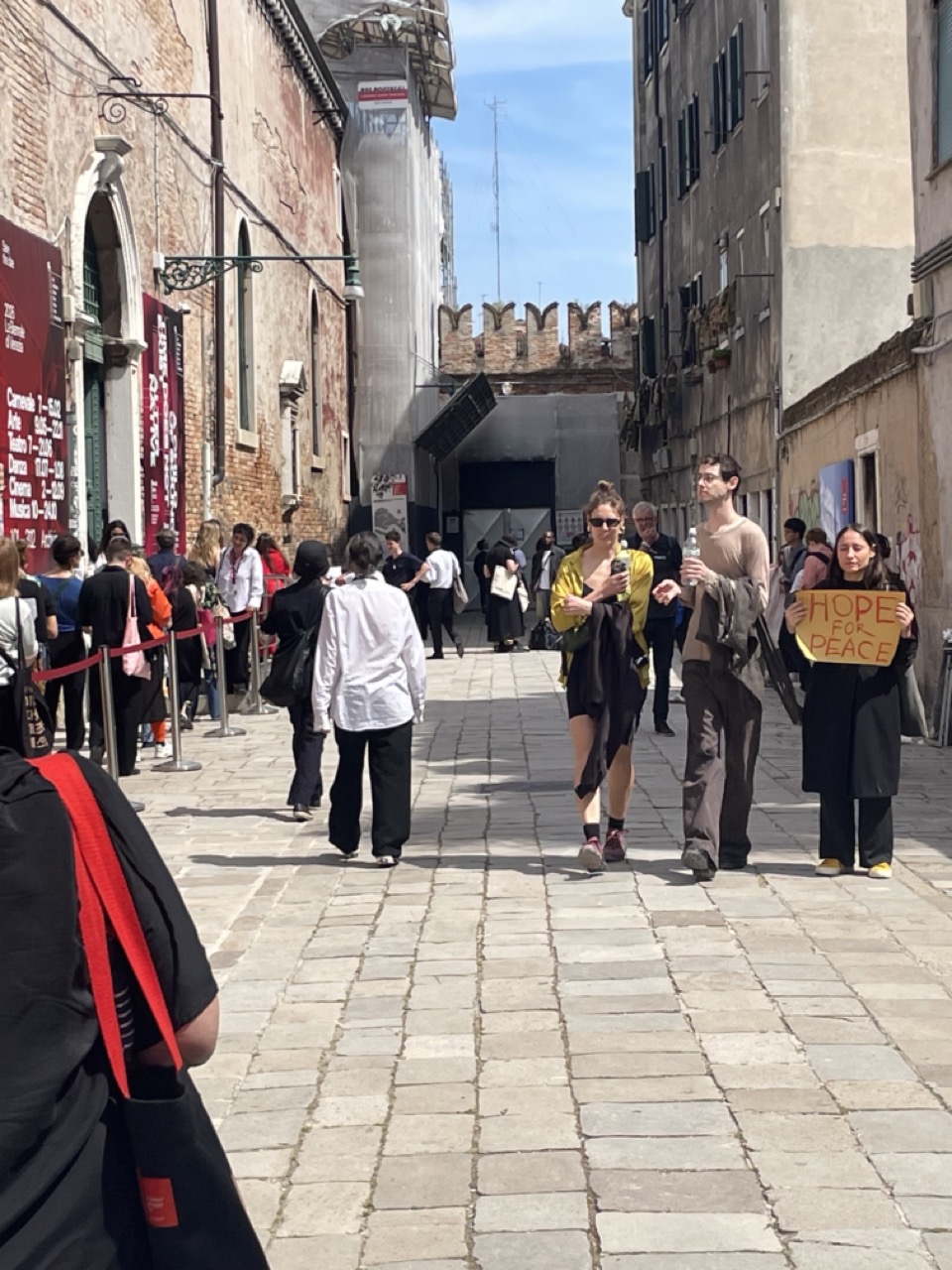
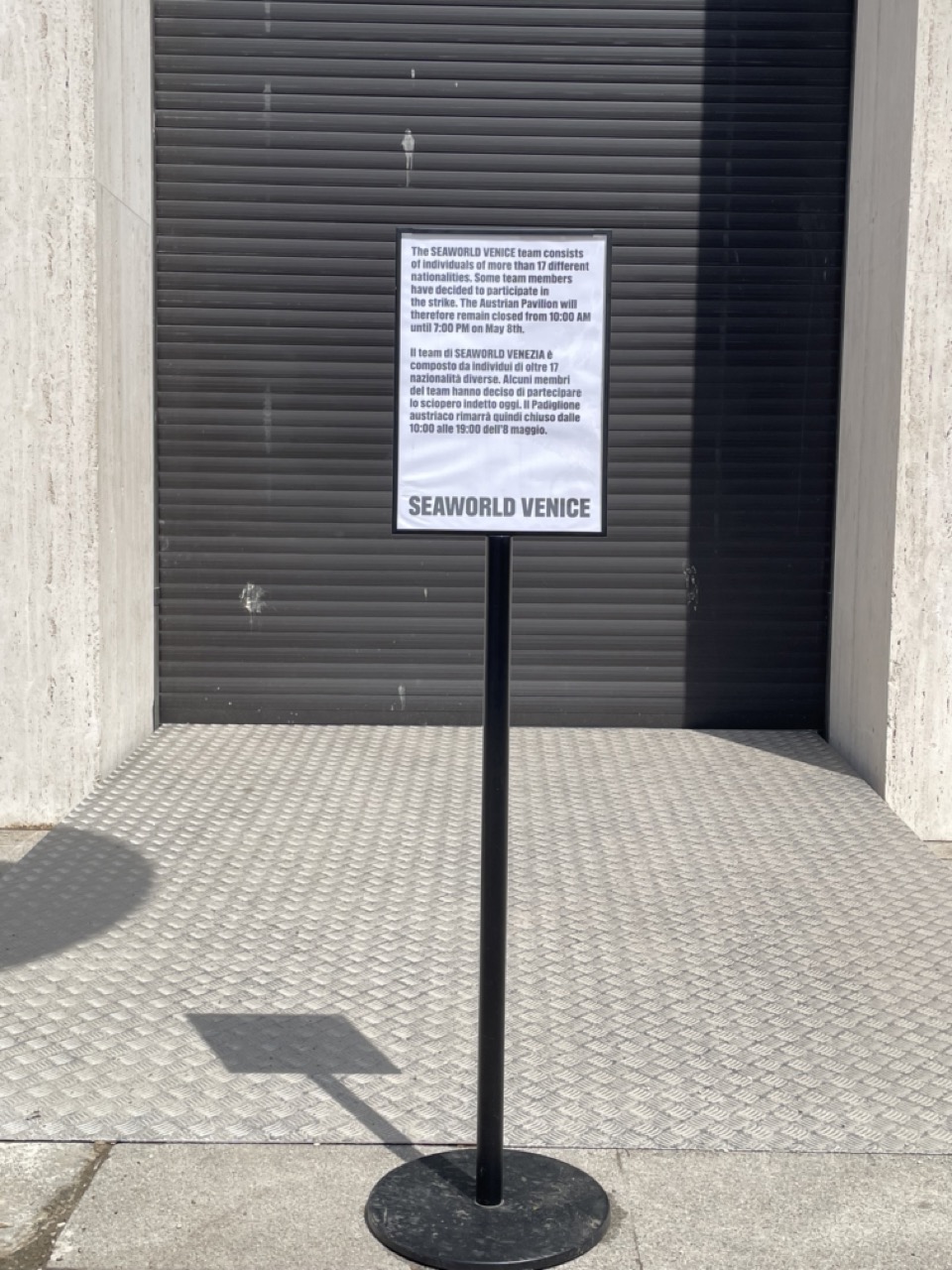
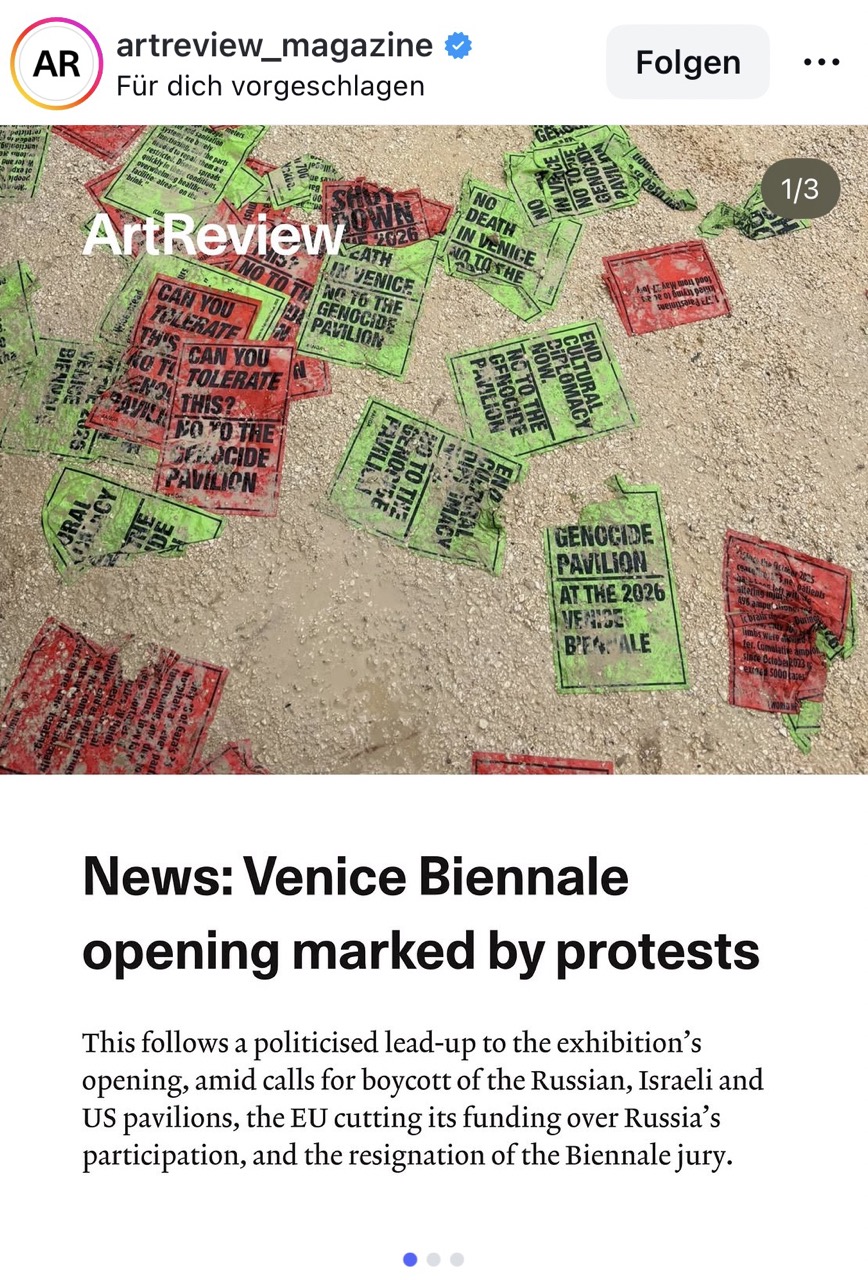
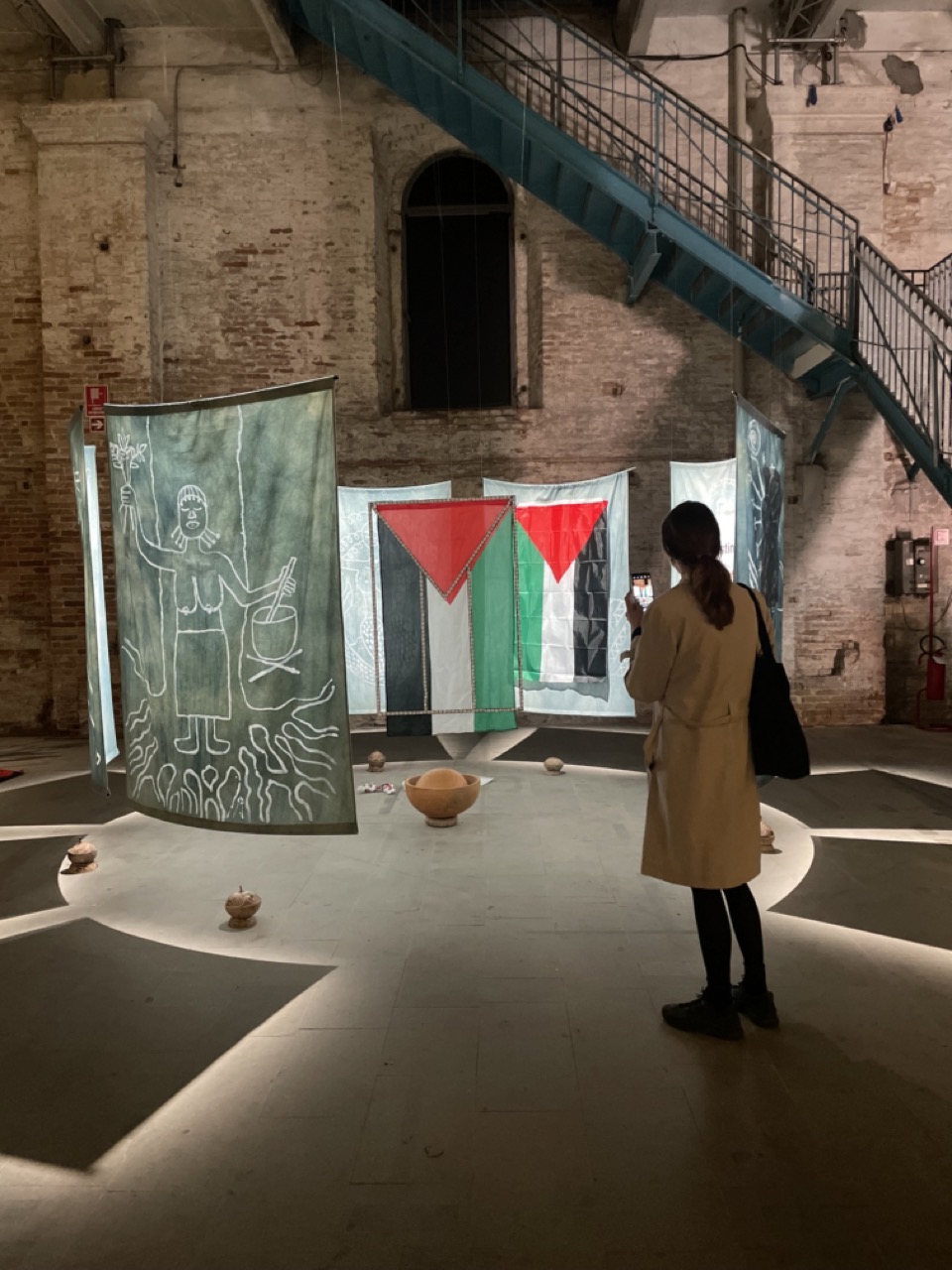
Who thought they could pass by this Venice Biennale opening and only come for the art was as wrong as pineapple on a pizza in the eye of an Italian. Due to the announced participation of Israel and Russia, there had been protests already leading up to the opening – led by the activist group ANGA – calling for nations actively committing crimes against humanity not to be given a stage at such an important international event. Since the biennale didn’t take measures to change that, the protests grew bigger during opening week. There were demonstrations throughout the city and in front of both the Russian and Israeli Pavilions. On May 8, there was also a strike across the Giardini and Arsenale in which around 20 to 30 pavilions participated by temporarily closing their exhibitions – whether for several hours, half a day, or the entire day. Throughout the exhibition sites, we could also see posters and signage expressing solidarity with Palestine. And all of this was happening while thousands of people from the international art world were gathering in Venice at the same time and all eyes were on the biennale. Other facts that may be important in this context: Iran’s participation fell through several days before the opening.

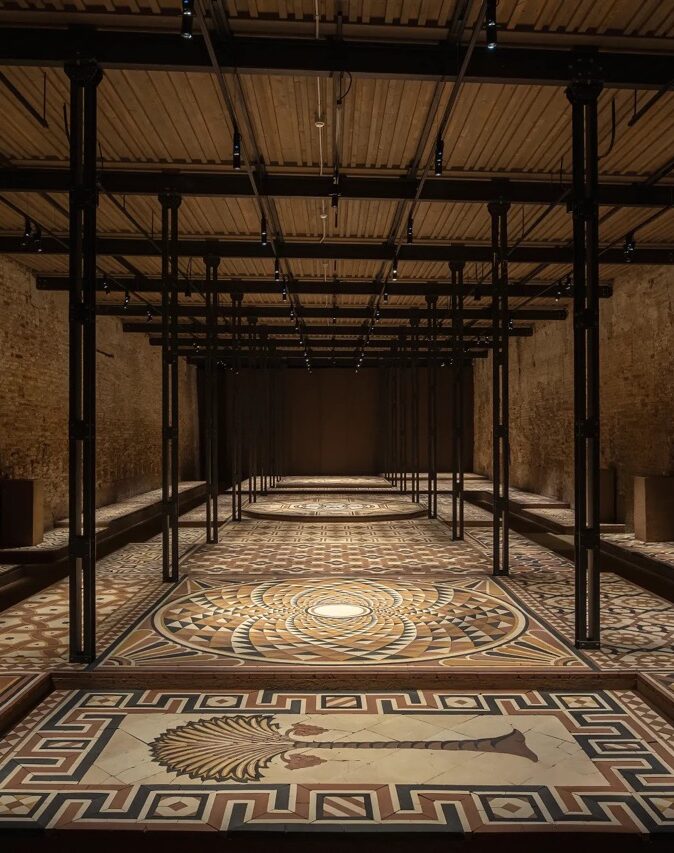
While the Russian Pavilion reopened as if nothing had happened – at least during opening week, apparently it will remain closed for the rest of the biennale’s duration, possibly due to the European Union withdrawing funds over the country’s involvement – the Israeli Pavilion moved from the Giardini to the Arsenale, officially due to renovations. Ironically, it ended up located very close to the Lebanese, UAE, and Saudi Pavilions. What stayed with me most in this regard was Dana Awartani’s installation in the Saudi Pavilion, referencing destroyed mosaics from Syria, Lebanon, and Palestine laid out on the entire pavilion’s floor making it look like an archaeological site. As a result of both pavilions remaining open despite the protests, more than 70 participating artists withdrew from consideration for the Golden Lion Awards – which is honestly huge, considering these are among the most prestigious awards an artist can receive internationally. But the awards were going to be publicly voted on anyways, as the jury had resigned several days before the opening of the biennale too, for the same reasons.

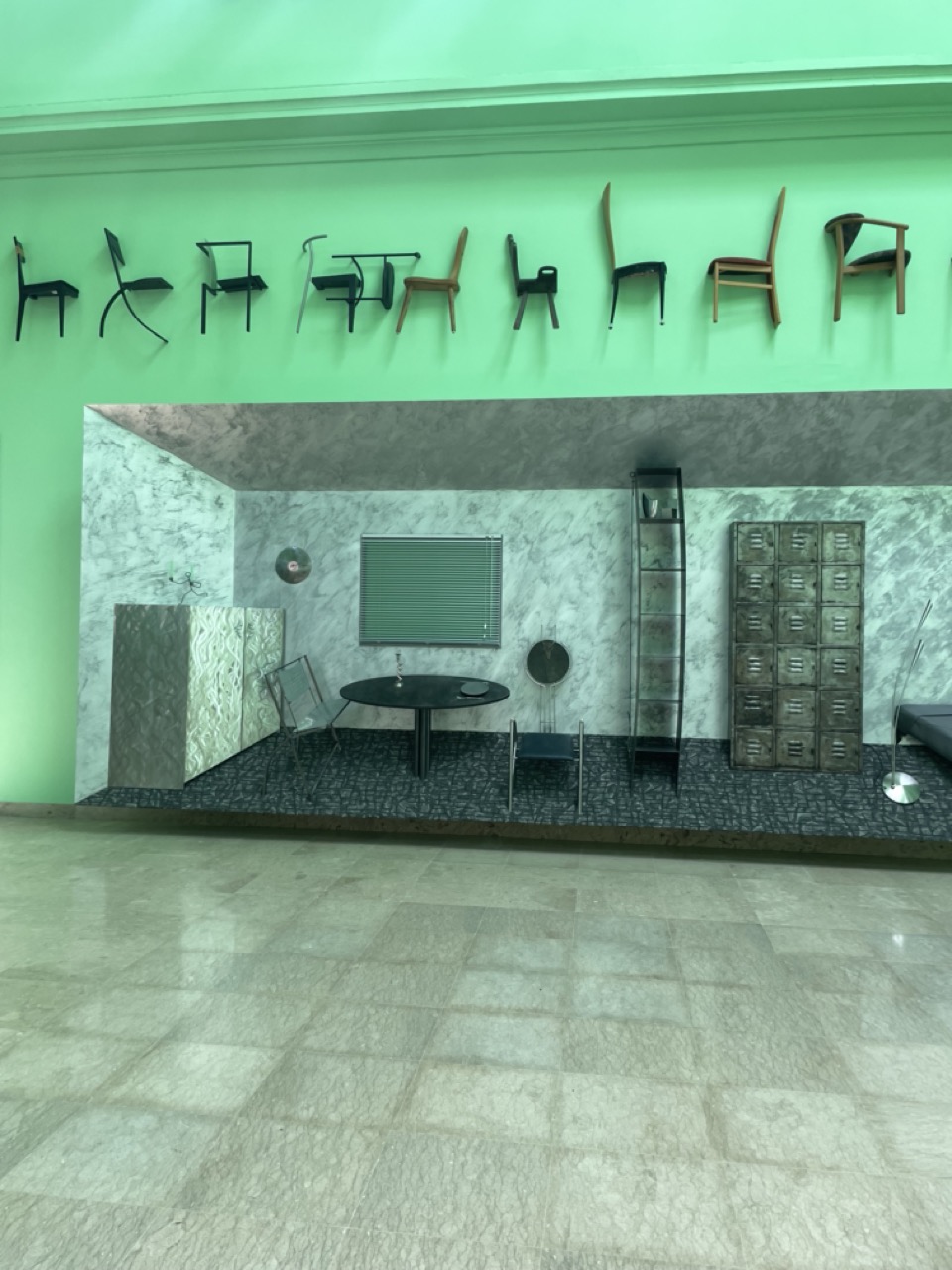
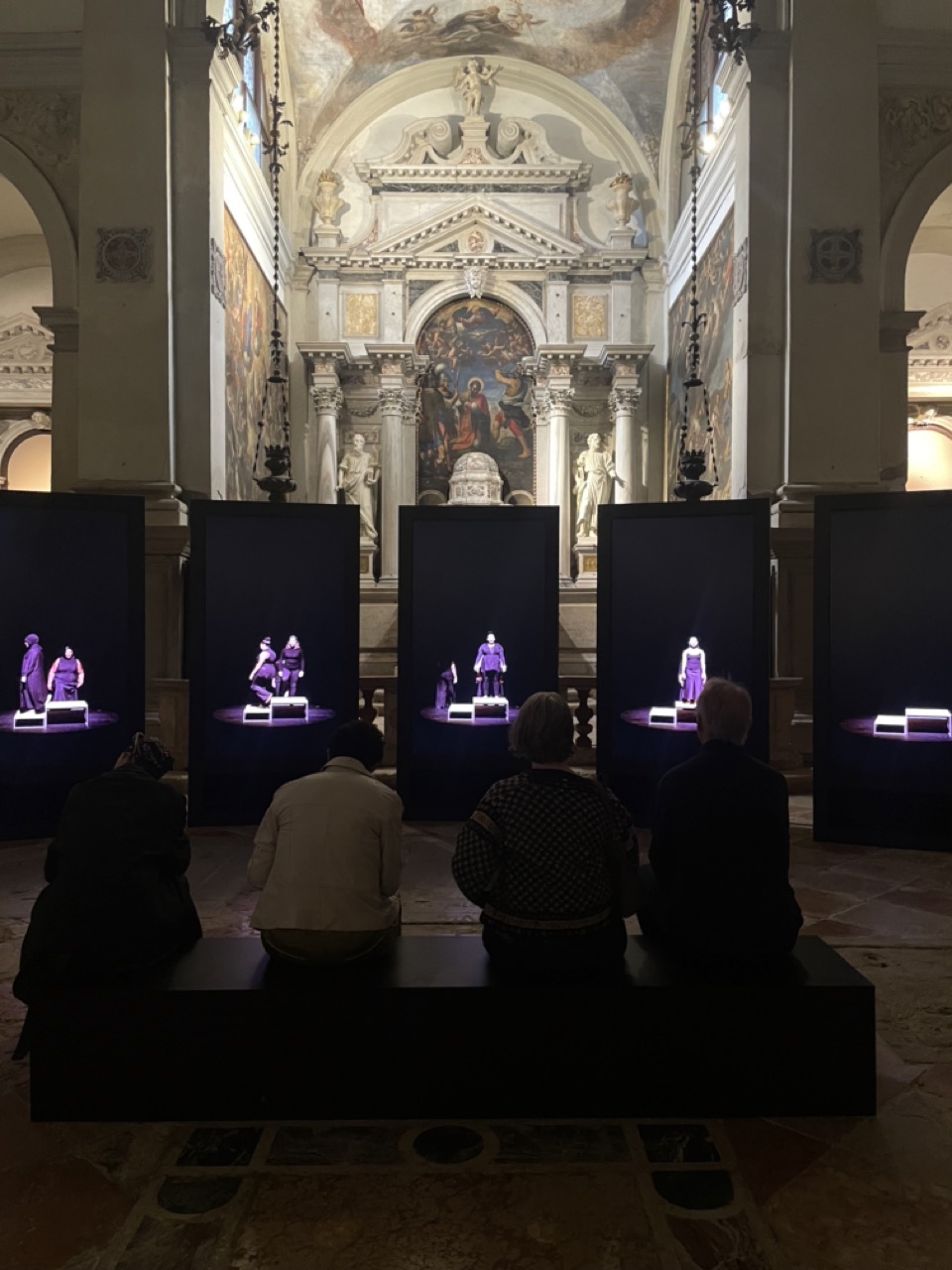
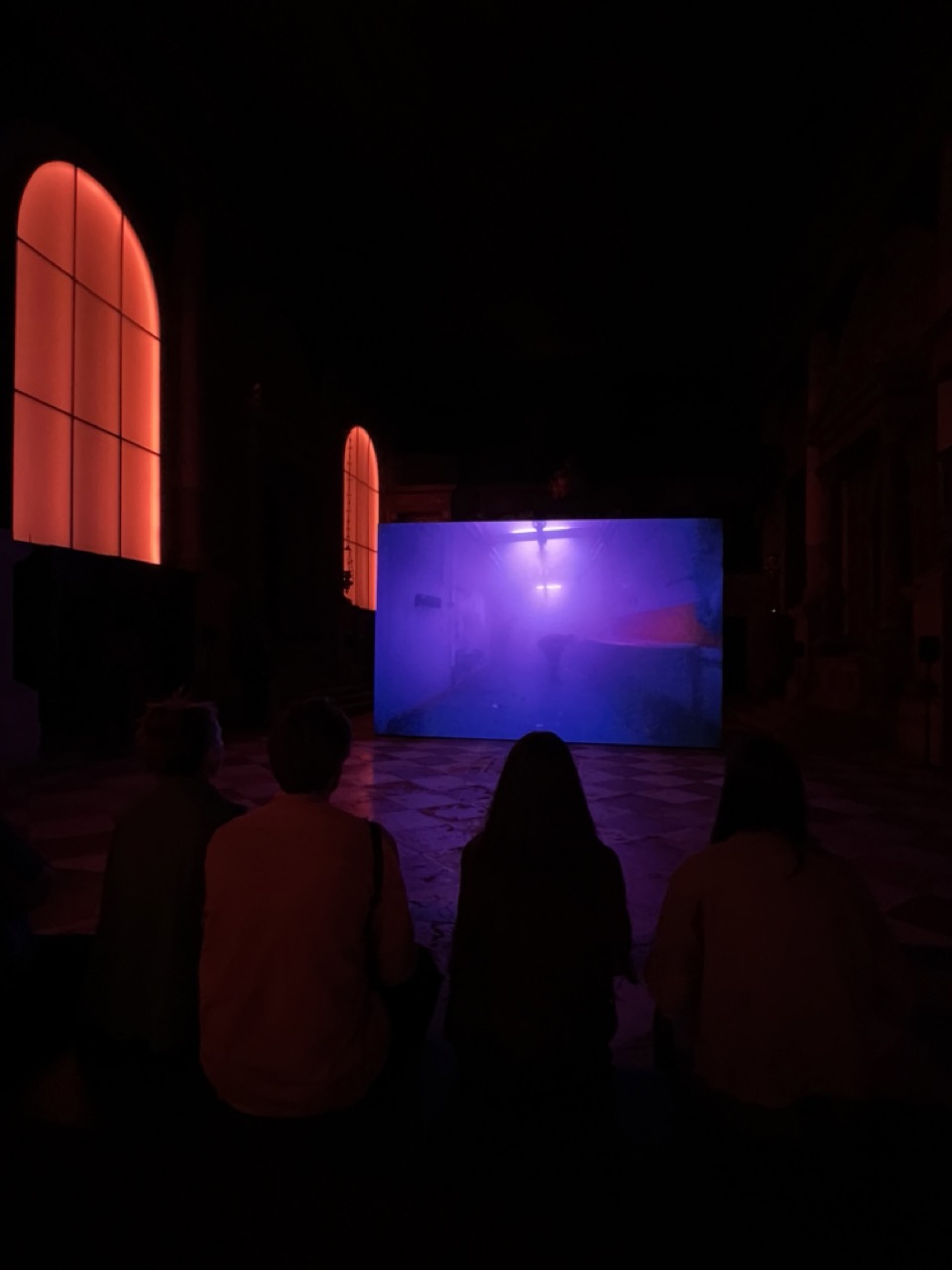
I guess this year’s edition was nothing like a usual Venice Biennale experience. From the very beginning, this was a biennale of withdrawals, of protests, and sadly, of death. At the same time, it was also a biennale of endurance, resistance and courage. The tragic passing of Koyo Kouoh one year before the opening didn’t stop her vision and spirit from living on throughout the biennale. The shocking death of Henrike Naumann shortly after – one of the two artists exhibiting in the German Pavilion – didn’t stop her presentation about the political intricacy of the domestic space, especially in the context of Germany’s reunification, from shining with subliminal truth. The South African Pavilion had been cancelled by the country’s own culture minister due to the explicit mourning of the Palestinian poet Hiba Abu Nada – killed by an Israeli airstrike – in Gabrielle Goliath’s work “Elegy”. But while the national pavilion remained closed, the artist still found a way to present her work in Venice. The performance, consisting of 7 women singing and holding the same note one after the other without letting the tone end – in what appeared to be an endless loop – was exhibited at the Chiesa di Sant’Antonin as video installation, alongside two others of the same kind: one mourning the murdered South African student Ipeleng Christine Moholane, killed in an act of sexualized violence, and one mourning the Nama women killed by the German colonial regime. The work, very much in tune with this year’s theme, ultimately found a deeply fitting exhibition space in sacral surroundings, adding to the resonance – sonic and emotional – of the sound.

Beyond The Giardini And Arsenale Walls

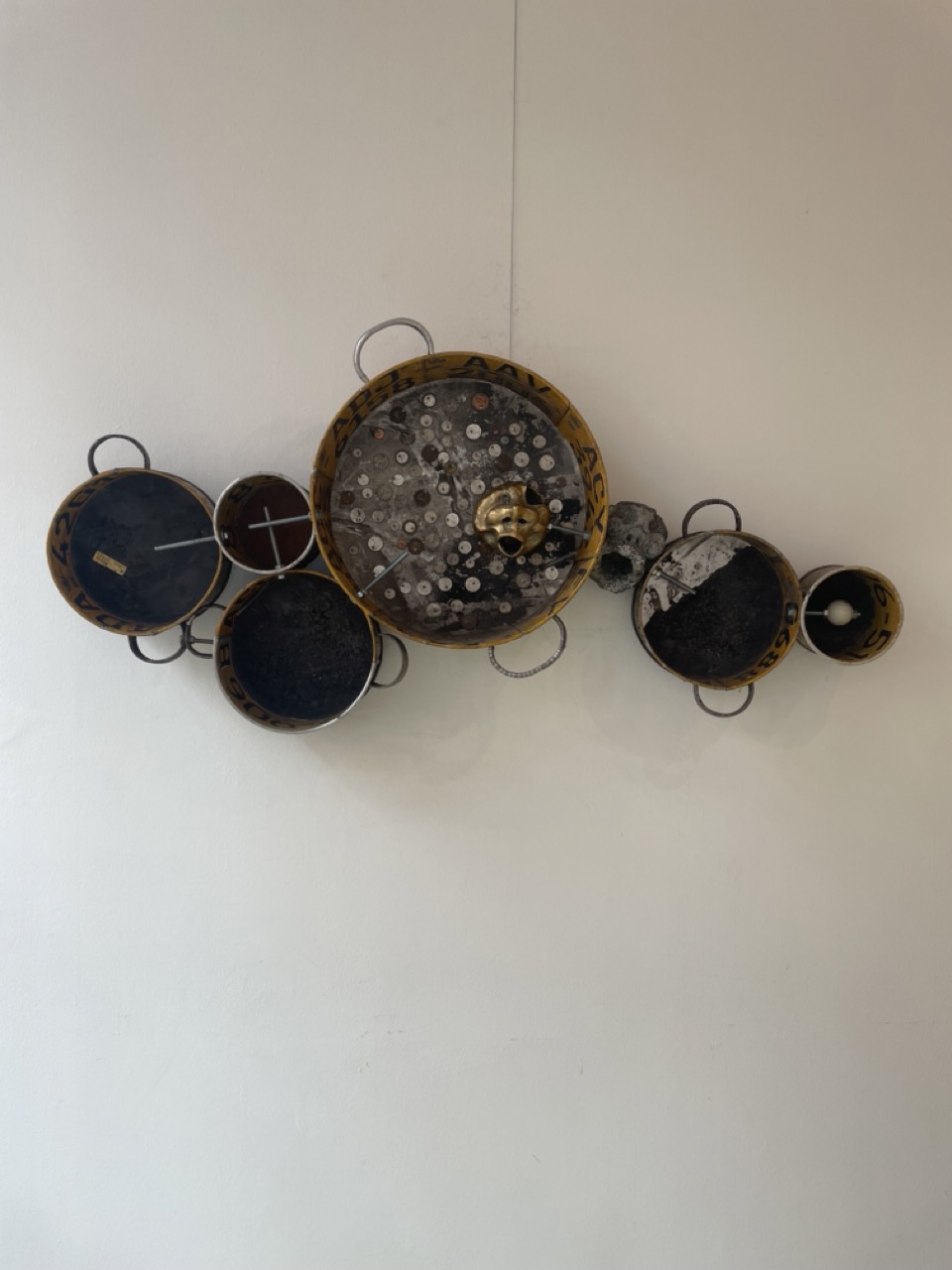
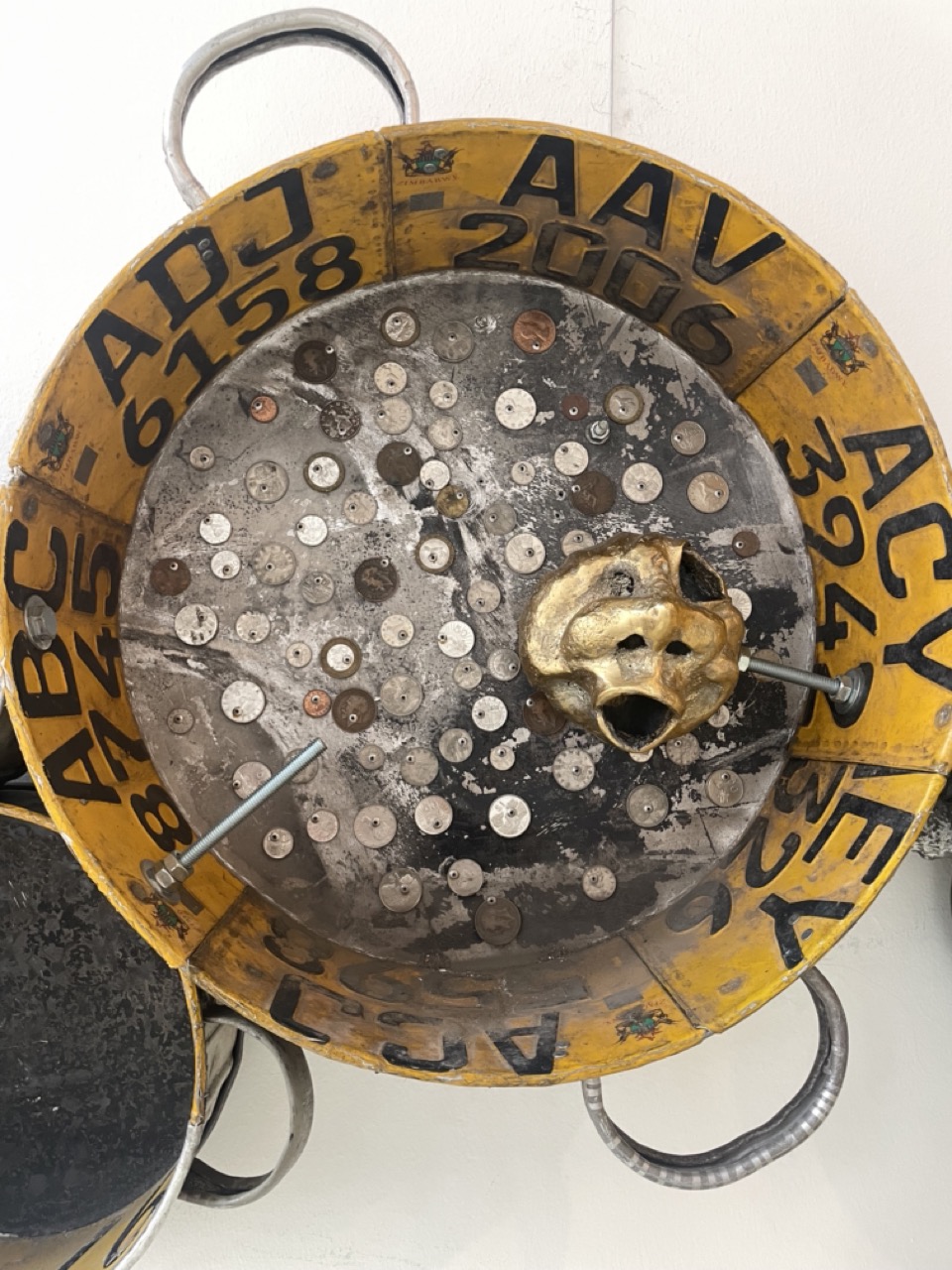
Not far from Gabrielle Goliath’s presentation, you’ll find the National Pavilion of the Democratic Republic of the Congo: a beautiful group exhibition titled “Simba Moto! Seize the Fire! Saisis le Feu!”, exploring the metaphor of fire and forging as transformative forces. The Zimbabwean Pavilion also stayed with me: under the title “Second Nature”, 5 artists reflect on how new technologies are slowly replacing what were once very naturally human fields. Then there was “Turandot: To the Daughters of the East” at Palazzo Franchetti, another strong group show with women artists from Central Asia and wider eastern regions honouring one of the oldest world tales around the freedom-loving princess Turandot.

On the topic of great group shows – “Strange Rules” at Palazzo Diedo (Berggruen Arts & Culture), curated by Hans Ulrich Obrist together with Mat Dryhurst, Holly Herndon, and Adriana Rispoli, revolving around the concept of ‘protocol art’ and how new technologies are impacting culture, power structures and society as a whole, was honestly one of my faves. And while we’re at it: an absolute highlight, also curated by Hans Ulrich Obrist and Ben Vickers, was the National Pavilion of the Holy See: a two-part pavilion with a breathtaking audio-based group exhibition in the Giardino Mistico, including a sonic prayer by Patti Smith (which – to spin the block – I loved and found incredibly moving), and works by Jim Jarmusch, FKA Twigs, and many more. It’s so refreshing to experience a solely sound-based exhibition! The location invites you to slow down, introspect, just feel and is also completely in tune with the biennale’s main theme “In Minor Keys”. And though sound is one of the few things that’s not so instagrammable, the exhibition seemed to resonate with many, as an almost spiritual experience. The second part is a more research-based installation by Alexander Kluge, which you can catch on your way to the Arsenale.

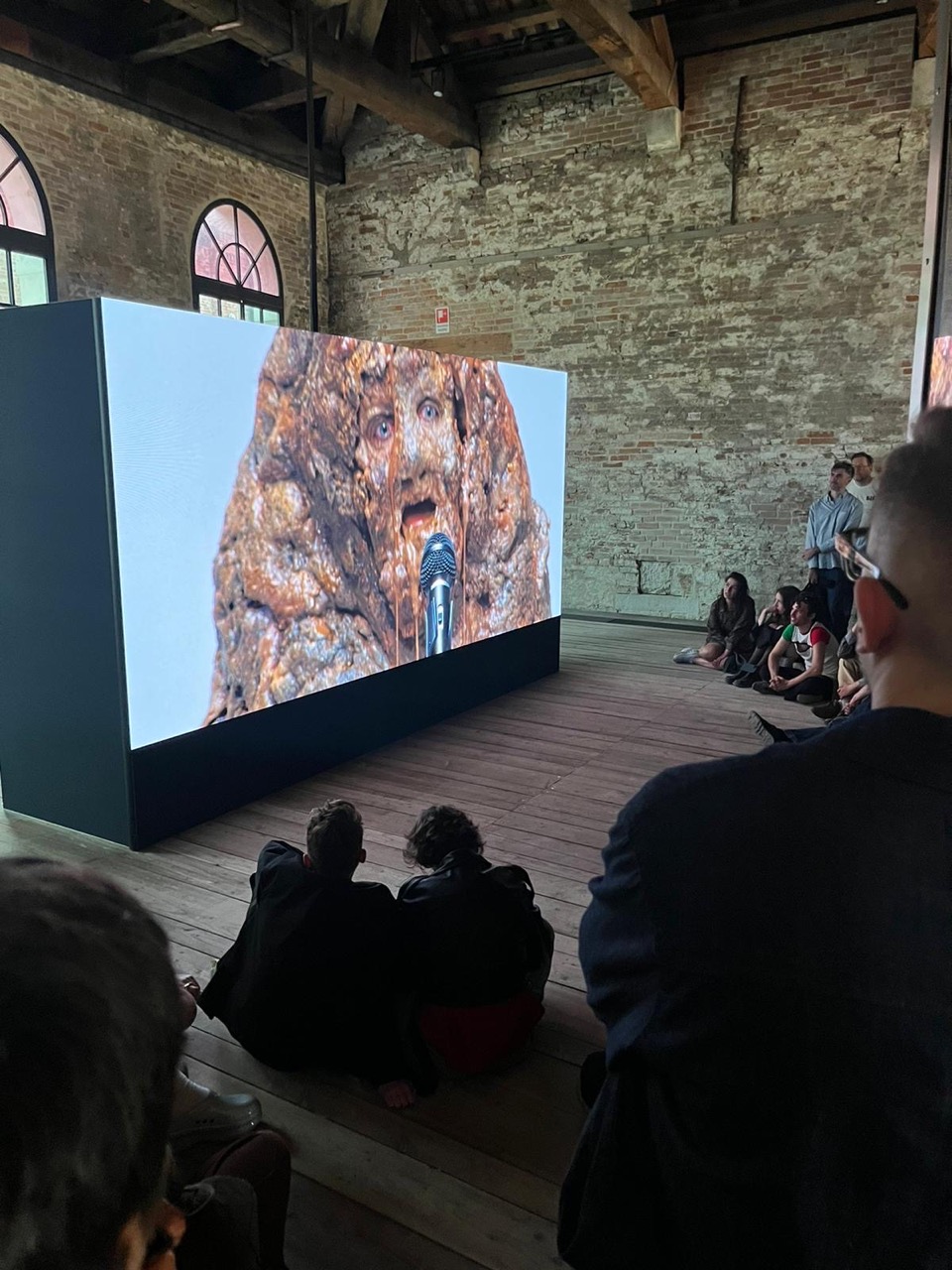
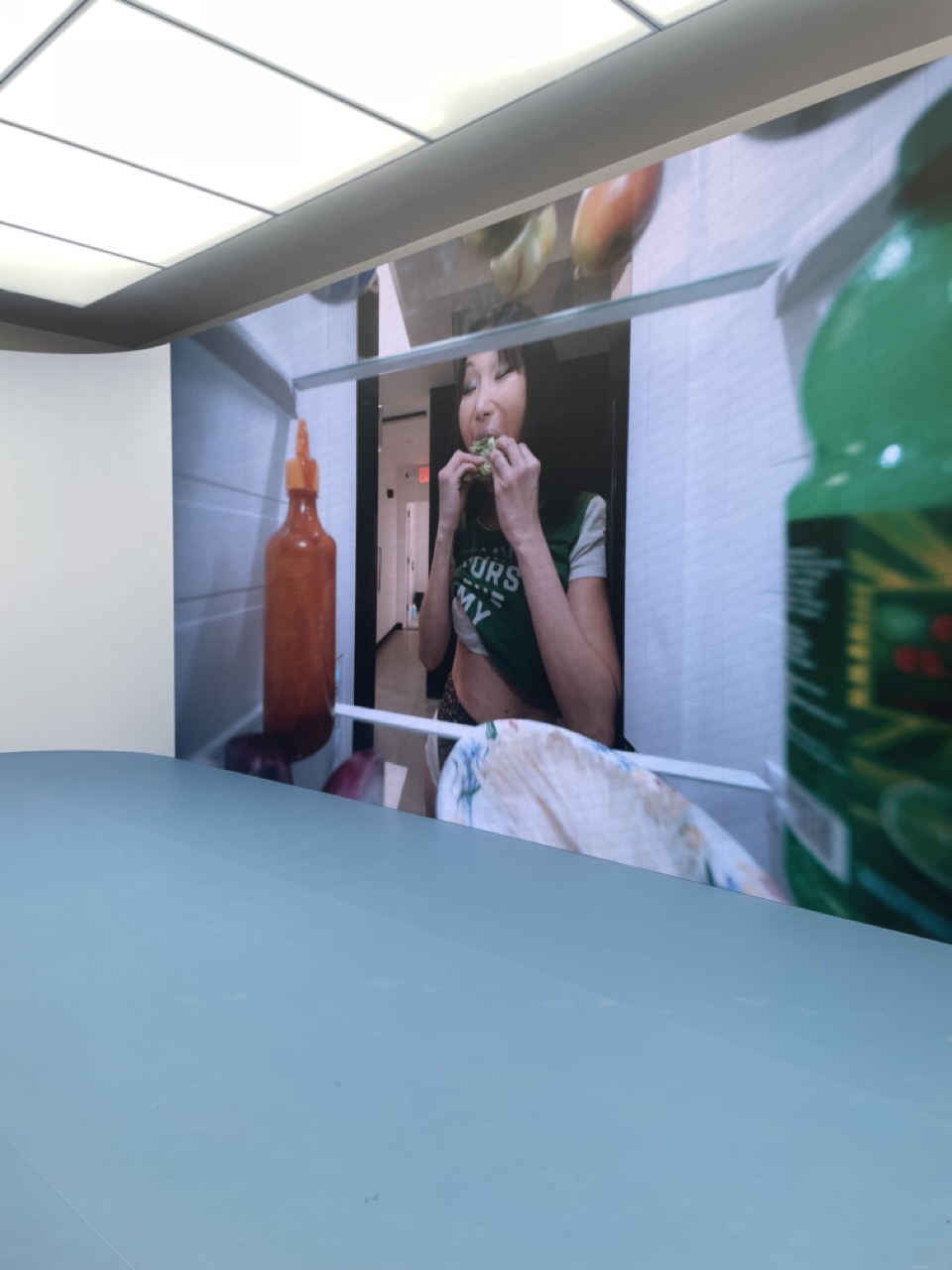
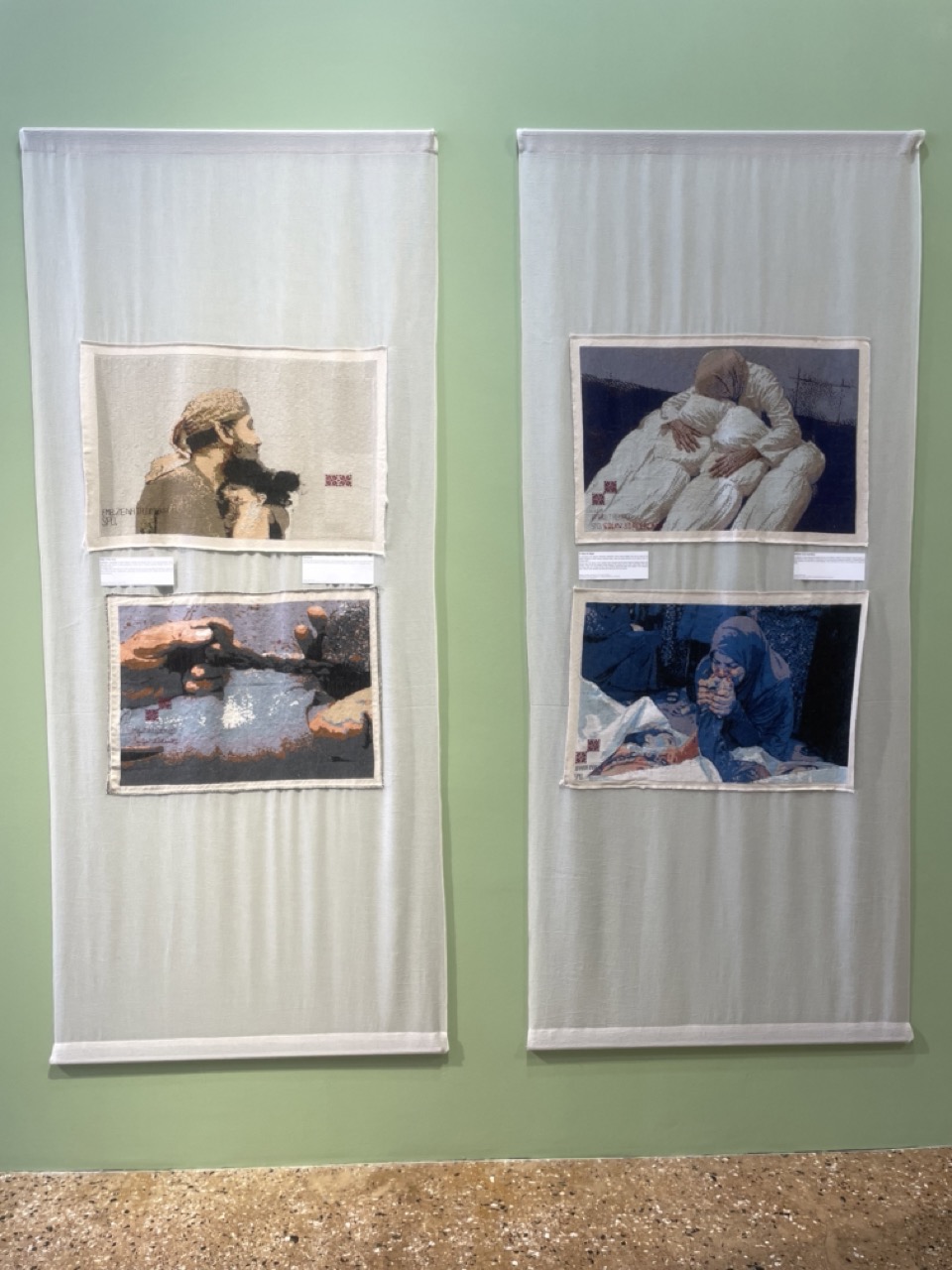
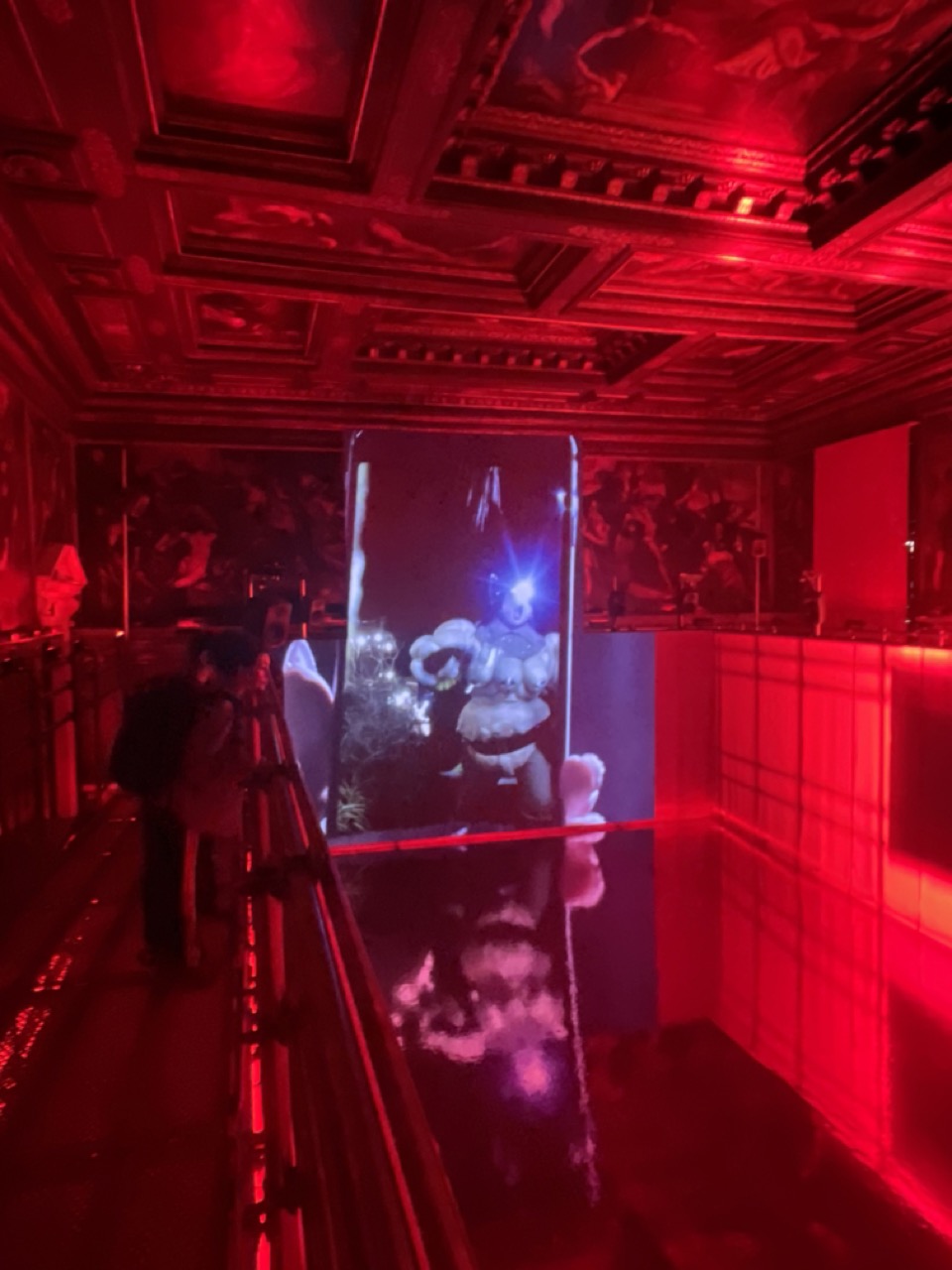
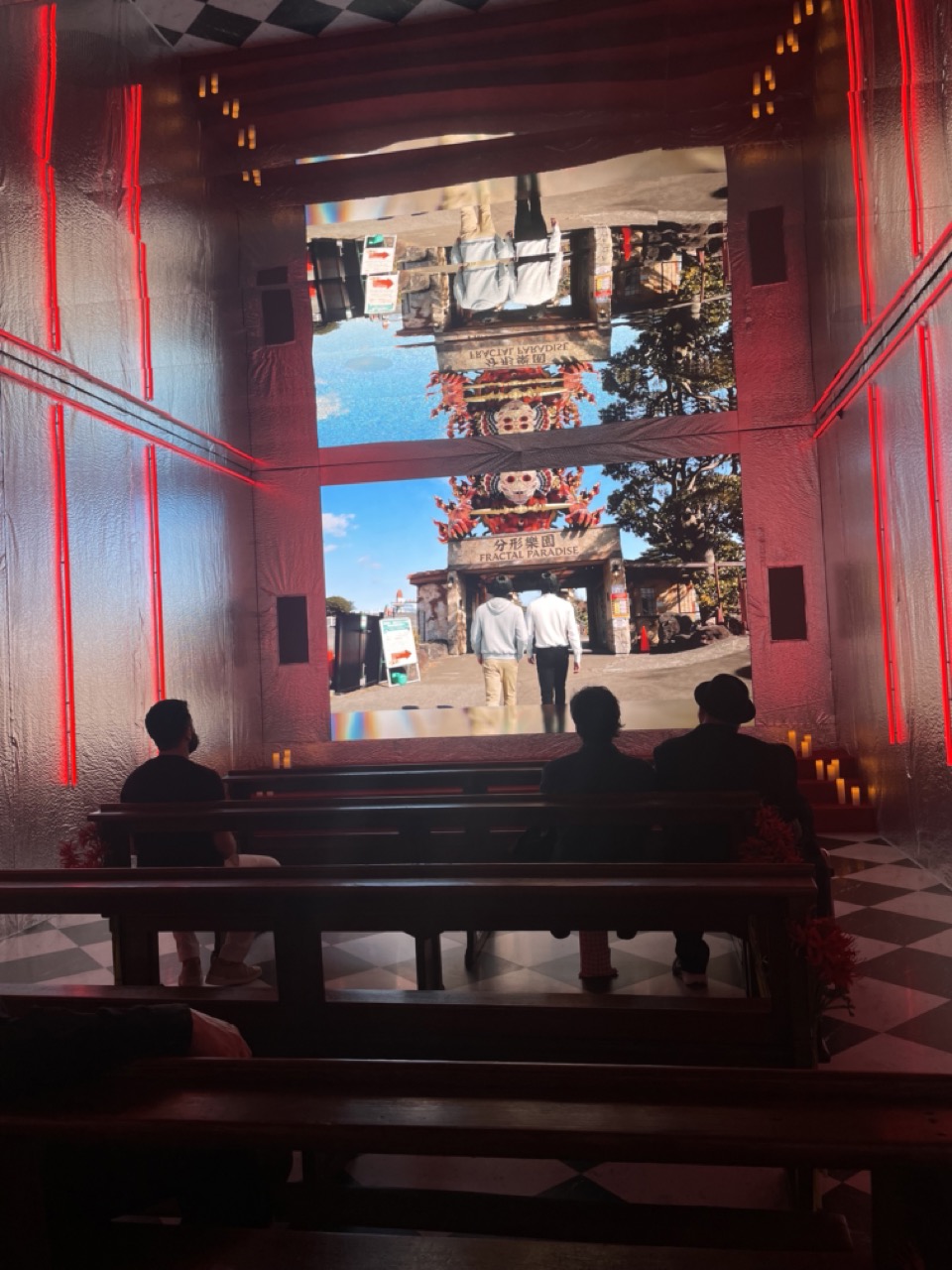
Another group exhibition that stayed with me is “Gaza – No Words – See the Exhibit” at Palazzo Mora, presented by the Palestine Museum (CT, US). Especially the touching installation titled “Gaza Genocide Tapestry” – a collective textile work by Palestinian women tatreez-embroiderers across occupied Palestine, refugee camps and the diaspora, composed of 100 panels. And then there are the video installation-based exhibitions, and so many of them great: Natasha Tontey’s immersive video installation at Ateneo Veneto (presented by LAS Art Foundation & Amos Rex) reimagines the story of Indonesian resistance fighter Len Karamoy, teaching us about the importance of autonomy of territory, knowledge and body. Shirin Neshat’s exhibition “Do U Dare!” at Palazzo Marin presents a new video trilogy taking the story of an Iranian-born YouTube star as its starting point – political, poetic, and with a great narrative thread for the visitor. Other personal highlights included “Canicula” at Complesso dell’Ospedaletto (Fondazione In Between Art Film), presenting eight site-specific video installations in a former hospital; “Screen Melancholy” by Li Yi-Fan at Palazzo delle Prigioni – a humorous video-based installation putting the real and the virtual in constant exchange; and the fourth chapter of Lu Yang’s ongoing DOKU series, continuing conversations around digital identity through the lens of Buddhist philosophies, in what appeared to be a wedding chapel.

Outro – Good Times For A Change

It’s difficult to sum up the experience of this edition’s biennale opening and I find myself still gasping for words to reply straight to the occasional question of how I liked it. Personally, as a Spaniard and art historian myself, I couldn’t help but feel the ghost of Goya’s “Desastres de la Guerra” omnipresent – but so were AI and new technologies, spirituality, and a quiet, persistent resilience. Every day brought something new, a ‘developing situation’ unfolding: demands, protests, reactions, and consequences. Or in other words – if you may accept this platitude – everyone was welcome to embrace change and live in the moment. I’ve seen several people call this year’s opening “a circus,” and to that I say: sure, if global politics and the very real implications they have on human beings and society are a joke to you. Because from where I was standing, the turn of events mirrored the current state of the world quite accurately – and what is more, it paid respect to Koyo Kouoh’s vision for this edition and to all the silenced voices it sought to amplify.

Being in Venice during this week, feeling the weight of what was happening, and watching more than 70 artists walk away from one of the most prestigious awards in the art world as an act of solidarity, made me realize what a significant moment I was being part of. Sanctions and withdrawals may not stop wars on their own, but they are a sign to the people suffering, to those fighting the cause and at last, a means of refusing complicity. I had my visit to the Giardini scheduled on the day of the strike, so I did miss some of the participating pavilion’s presentations as they were closed. But let’s be honest: while anyone can claim to have seen the art displayed (you don’t even have to leave your couch for that these days), not everyone can say they were actually there – standing in front of closed doors on such a historic strike 😉

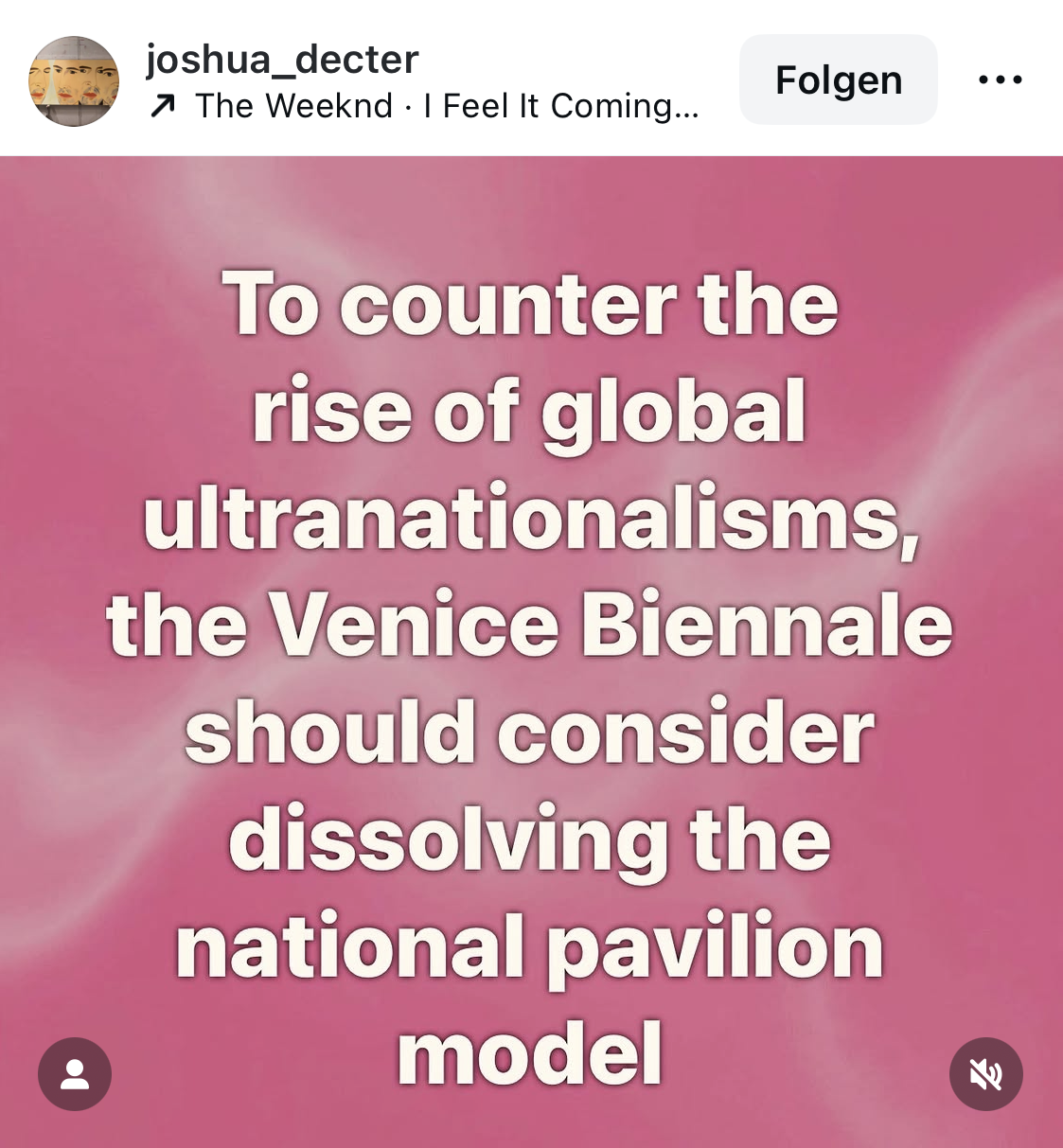
This edition definitely reheated lingering debates about what role the biennale should play in all of this. The editor in chief of Monopol Magazine Elke Buhr argued, specifically in the context of Russia, that cancelling pavilions would not be the right step – because after having cancelled one nation, where would we draw the line? That artistic exchange should remain possible, and that culture outlasts politics. Russia’s delegate for international cultural exchanges had stated something similar. And sure, there’s a version of that argument worth hearing. But why not start by drawing a line with countries whose leaders hold active ICC arrest warrants for war crimes and crimes against humanity? Is giving them a prestigious international stage not a normalisation of the status quo? And more broadly (I think these are the questions that were feared as a consequence): how much can artists truly represent a culture or a nation if their participation is conditional on that nation’s goodwill and agenda? See: South Africa and Gabrielle Goliath or the US Pavilion. How contemporary is it to still structure an international art event around the nation-state anyways? Art critic Joshua Decter suggested to have a look at the São Paulo Biennale and how they abolished the national representation model years ago, as a sensitive response to times changing. The Venice Biennale itself has shifted its structure before, having incorporated a commercial function for much of its history that was later abolished.

What’s certain is that the Venice Biennale – with its global stage and its institutional weight – is exactly the kind of place where these discussions should boil up, impossible to silence or evade. And this edition proved that, maybe more loudly and collectively than it has in a long time. The biennale runs until November 22, 2026 – and whether the whole structure still looks the same in two years is written in the stars. I’ll be paying close attention. To the stars.

© Images: all rights reserved by the respective artists, galleries, pavilions, and institutions mentioned in the captions and texts.